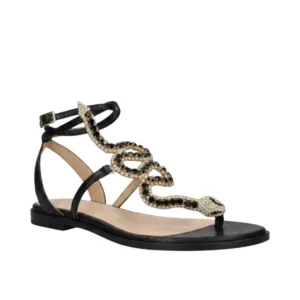
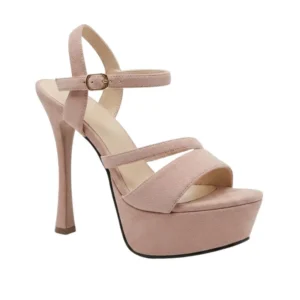
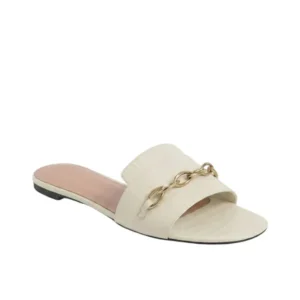
Description
Custom Comfortable Flat Shoes for Private Label Collections is a B2B product-development direction for fashion brands, retailers, boutiques, wholesalers and sourcing teams building comfort-oriented flat-shoe lines. Lajwanti Collections can develop this comfortable flat shoes through private-label, OEM, ODM and made-to-order workflows, with design choices confirmed through paid sampling before bulk production. The page should sell a sourcing route, not a one-pair retail purchase.
A strong B2B page for custom comfortable flat shoes helps a buyer understand what can be decided, what must be sampled, and what remains quotation-specific. In this case the evidence base supports comfortable flat-shoe intent, flat-shoe category. Lajwanti Collections should therefore present the product as a configurable direction and avoid filling information gaps with assumptions about leather type, cushioning, outsole performance, measurements, certifications or other technical properties that have not been documented.
Custom Comfortable Flat Shoes for Private Label Collections for Relevant B2B Buyers
The sourcing audience includes fashion brands, retailers, boutiques, wholesalers and sourcing teams building comfort-oriented flat-shoe lines. Practical collection uses may cover comfort-led everyday ranges, general flat-shoe capsules, private-label seasonal programs, retail assortments where a non-ballet silhouette is confirmed. Instead of promising a fixed off-the-shelf configuration, the page should invite buyers to specify their commercial objective, target customer, destination market and planned order quantity. These inputs affect material feasibility, component selection, size grading, branding method and packaging. The result is a product page that supports an RFQ decision rather than competing with the parent category for generic flat-shoe traffic.
Buyers exploring related footwear sourcing options can also review women’s flat shoes collection, private label flat shoes, custom comfortable ballet flats, and custom beige flat shoes for similar private-label development directions.
Product Style, Materials and Customisation
For comfortable flat shoes, product development starts with the approved design direction and then moves into specification choices. Lajwanti Collections may discuss upper materials, lining, insole, outsole, colourways, surface finish, straps or closures, trims, embellishment, size grading and packaging. Women’s-footwear options can include genuine leather, PU, synthetics, suede, nubuck, patent looks, satin, velvet, woven fabrics, mesh, lace, decorative hardware and rubber or synthetic soles where feasible. None should be described as the product’s exact construction until the sample and quotation confirm it.
Buyer Decisions to Confirm
- Design reference and intended use
- Material/finish preferences
- Toe, closure, strap and trim details
- Colour and size requirements
- Logo and label positions
- Box or other packaging specification
- Order quantity by design and colour
- Destination and delivery planning
Private Label, OEM and ODM Manufacturing
Lajwanti Collections supports private-label, OEM and ODM work, but each term should describe a real development path. Private label means the finished comfortable flat shoes is prepared for sale under the buyer’s brand. OEM means the buyer supplies the reference or specification basis. ODM means an existing Lajwanti Collections direction is adapted to the buyer’s commercial requirements. The sample stage is where the chosen route becomes a controlled, written specification for colour, components, sizing, branding and packaging.
Brands developing their footwear collections can also explore the custom footwear development process and related sourcing guidance for private-label product planning.
MOQ, Paid Samples and Bulk Production
For comfortable flat shoes, Lajwanti Collections’ verified women’s-footwear MOQ is 12 pairs for each design in each colour. A paid sample is developed before bulk production; typical sample development is 10–14 days after the design/specifications are confirmed, while bulk production is typically 4–6 weeks after sample approval. These figures must be described as typical because material choices, revisions, packaging, quantities, components and production planning can alter the schedule.
The procurement flow for comfortable flat shoes remains five steps: Share the Brief, complete Feasibility and Quotation, develop the Paid Sample, approve the Sample and Specification, then move to Bulk Production, Checks, Packing and Shipping.
Quality Control Against Approved References
For comfortable flat shoes, QC should compare the production output with the approved sample and agreed specification. Practical checks include comparison to the approved silhouette and reference, pair symmetry, specified insole/lining placement, sole and edge finish, size grading, branding and packaging. Any additional requirement—such as a specific material tolerance, finish, decorative detail or packaging method—should be confirmed in writing during sampling. Avoid generic claims such as “tested,” “certified” or “non-slip” unless the relevant evidence is available for the exact product.
Product Care and Handling
Material-dependent care is safer than a generic promise. For comfortable flat shoes, recommend clean and dry storage, light cleaning with a suitable soft cloth, avoidance of aggressive solvents, and protective packing during transport or stock holding. If the approved design uses delicate finishes or embellishment, the care label should address them specifically. Final consumer-care instructions should be confirmed only after the exact production materials and finish are agreed.
Why Work with Lajwanti Collections?
For comfortable flat shoes, the verified supplier profile is that Lajwanti Collections has operated since 2003 and is based in Lahore, Pakistan. Its verified sourcing routes include private label, OEM, ODM, custom and made-to-order manufacturing. Samples are paid, bulk production follows approved sampling/specification, and worldwide shipping support is available. For this women’s-footwear product, the verified MOQ is 12 pairs per design, per colour. Keep those facts visible because they help a B2B buyer qualify the supplier without relying on unsupported social proof or production claims.
Buyers researching private-label footwear development can also explore private label shoe manufacturing and custom shoe manufacturing for brands resources.
Request a Manufacturing Quote
Send Lajwanti Collections your comfortable flat shoes brief with quantity, colours, size range, reference files, logo/label requirements, packaging needs and destination market. If the technical details are not complete, they can be developed during feasibility and paid sampling. Once the sample and specification are approved, the order can move to bulk production. The page should close with a clear B2B action: Customize This Design, WhatsApp Us, or Request a Quote.
Procurement Notes for Custom Comfortable Flat Shoes for Private Label Collections
A buyer comparing suppliers for comfortable flat shoes should ask for the same decision points in each quotation: the exact sample-development scope, what is included in the quoted unit basis, how size/colour quantities are broken down, which branding and packaging elements are included, and what changes would trigger a revised price or schedule. The buyer should also keep the approved sample, specification, colour references and packaging artwork under version control so repeat orders can be compared against the same baseline.
For Australia or any other target market, sizing labels and packaging language should be agreed before production rather than assumed. This procurement discipline reduces ambiguity without requiring the product page to make promises about quality levels, tests or delivery dates that depend on the final order.