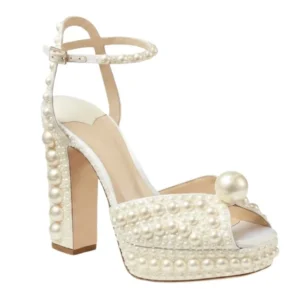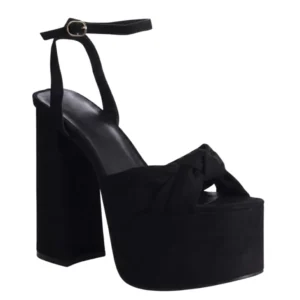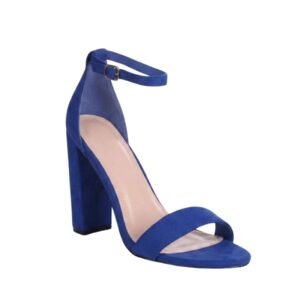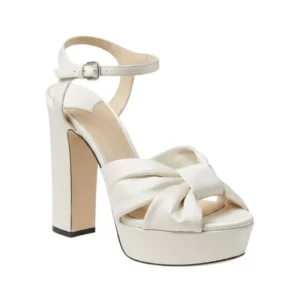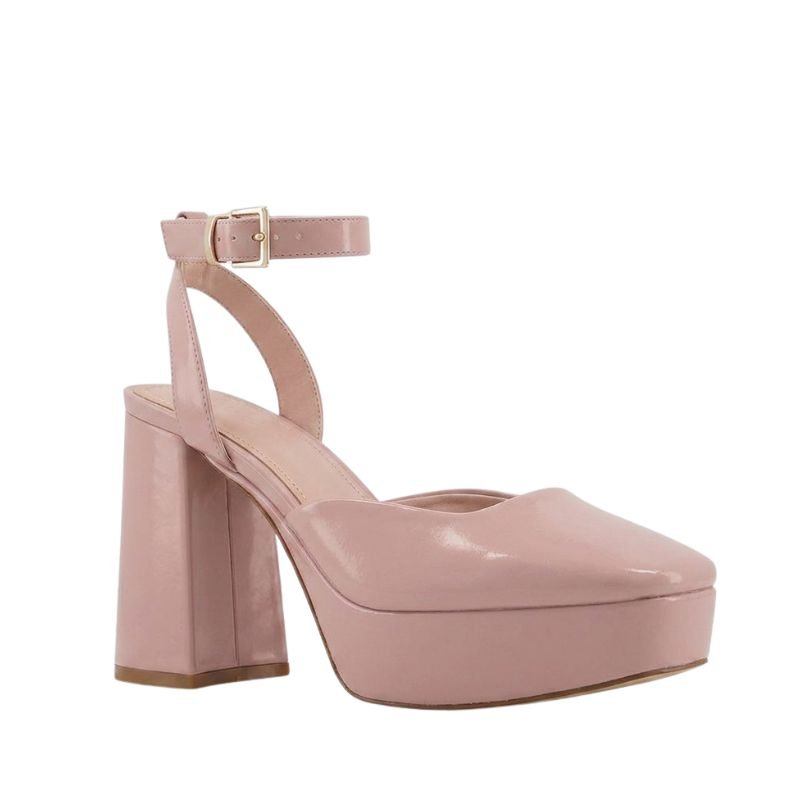


Description
For brands sourcing closed-toe block heel footwear, Custom Block Heels Closed Toe provides a quotation-led manufacturing route rather than a consumer checkout offer. Lajwanti Collections works from Lahore, Pakistan with footwear brands and trade buyers on custom, private-label, OEM and ODM development, with commercial and technical details finalised through the brief, paid sample and approval process.
Custom Block Heels Closed Toe for Relevant B2B Buyers
A sourcing team can use this closed-toe block heel direction for a focused capsule, a seasonal collection, a retailer programme or a private-label range. The exact execution should follow the buyer’s approved reference rather than a generic catalogue assumption. This keeps the page useful for procurement while protecting the broader block heels collection from keyword overlap.
Different buyers may approach the same closed-toe block heel with different priorities. A fashion label may emphasise styling and brand presentation; a wholesaler may prioritise repeatable specifications across colourways; an ecommerce brand may focus on a clear size and packaging plan. The manufacturing brief should therefore capture the commercial purpose before technical choices are locked.
The commercial value of this page is specificity. A buyer searching for custom block heels closed toe should be able to understand the product direction, what decisions remain open, and how to request a quotation without being pushed into broad category copy. For formalwear labels, office-fashion brands, retailers and private-label buyers, that means discussing the intended market position, assortment role, target colourways, branding treatment, size requirements and packaging before a sample is developed.
Search Intent and Product Differentiation
For serial 175, the page’s differentiation is the closed-toe block-heel direction. Its primary keyword, “custom block heels closed toe,” should remain the lead topic, while broader terms such as women’s block heels manufacturer and private label shoe manufacturer belong to the parent or pillar pages. Supporting language can include closed toe block heel shoes, block heel closed toe, closed toe block heel, pointed toe block heel, but those terms should appear only where they clarify buyer choices rather than as repeated headings. This separation gives search engines and AI systems a cleaner entity relationship: Lajwanti Collections is the manufacturer, the block-heels page owns the product-family intent, and this URL answers a narrower sourcing need.
Product Style, Materials and Customisation
For Custom Block Heels Closed Toe, customisation should be discussed as controlled options rather than as claims about the exact pair shown. Relevant decisions include closed-toe shape, heel proportion, upper direction, vamp/closure direction, colourways, branding and packaging. Potential upper or trim materials can include genuine leather, PU, synthetic materials, suede, nubuck, patent finishes, satin, velvet, woven fabrics, mesh, lace or decorative hardware where technically suitable. None of those materials should be presented as the exact construction unless the buyer’s brief or an approved sample confirms it.
Buyer Decisions to Confirm
- Closed-toe shape
- Heel proportion
- Upper direction
- Vamp/closure direction
- Colourways
- Branding and packaging
Colour, finish and branding should be treated as specification items. The buyer can share Pantone references, physical swatches, artwork, logo files, packaging dielines or a tech pack where available. Lajwanti Collections can then confirm feasibility and quotation details. For closed-toe block heel, the most important point is that visible styling language and production specifications stay aligned so the finished bulk order follows the approved sample rather than an assumed website description.
Sizing and fit decisions also need confirmation during development. The public page should not publish an unverified size range, last, measurement or fit promise. Instead, the RFQ should capture the target market and requested sizing system, allowing grading, fit direction and labelling to be reviewed as part of sampling. This is especially important when the product is intended for international private-label distribution.
A useful pre-production brief for Custom Block Heels Closed Toe should identify the target customer, intended channel, destination market, target quantity and the decisions that affect quotation. For this page, those decisions are especially closed-toe shape, heel proportion, upper direction, vamp/closure direction, colourways, branding and packaging. The buyer should also state whether the project is an adaptation of an existing direction or a specification-led development. Keeping those inputs explicit improves quotation accuracy and helps prevent unapproved assumptions from moving into the sample or bulk order.
Private Label, OEM and ODM Manufacturing
Lajwanti Collections can support three practical sourcing routes. Under ODM, a buyer can adapt an existing Lajwanti design direction. Under private label, the product is developed for sale under the buyer’s brand, including agreed logo and packaging requirements. Under OEM, production follows buyer-supplied references or specifications, subject to technical feasibility. The correct route should be stated in the quotation so responsibilities and approvals are clear.
The route selected for closed-toe block heel affects how the brief is prepared. A buyer adapting an existing direction may mainly need colour, finish, sizing, logo and packaging decisions, while a more specification-led OEM project may require stronger reference files and construction instructions. In every case, the approved sample becomes the practical reference point for bulk production.
MOQ, Paid Samples and Bulk Production
For women’s footwear, the verified minimum order quantity is 12 pairs per design, per colour. Paid sample development is typically 10–14 days after the design and specifications are confirmed, and bulk production is typically 4–6 weeks after sample approval. These are typical planning ranges, not guarantees. Complexity, materials, revisions, packaging, order quantity, component availability and production planning can change the final confirmed schedule.
A disciplined five-stage journey keeps the closed-toe block heel project commercially clear: first, share the brief; second, review feasibility and quotation; third, develop the paid sample; fourth, approve the sample and final specification; and fifth, move to bulk production, checks, packing and shipping. Buyers should avoid treating a website image or early concept as the production standard until the sample and written specification are approved.
Quality Control Against Approved References
Quality control should be tied to the approved reference rather than vague claims. For this closed-toe block heel, practical checkpoints include toe-shape symmetry, pair consistency, heel alignment, upper finishing, branding accuracy. The final checklist can also cover labelling, pair matching, packaging instructions and agreed visual tolerances. Any performance test, certification or specialist standard should only be added when it has been specifically required, completed and documented.
Before bulk release, the production team and buyer should be working from the same approved specification. Changes made after sample approval can affect cost, timing or component planning, so revisions should be recorded rather than assumed. This approach is particularly important for private-label orders where consistent presentation across pairs, cartons and repeat orders supports the buyer’s own brand standards.
Related Block Heel Manufacturing Options
Brands exploring variations of this footwear style can also review related development options such as custom block heel shoes, custom block heels for women, classic block heels for women, and pointed toe block heel designs depending on the required silhouette and target market.
Product Care and Handling
Care guidance for Custom Block Heels Closed Toe should remain material-dependent. The safest public advice is to keep footwear clean and dry, store pairs in a cool and ventilated place, avoid unnecessary exposure to moisture or heat, and use cleaning products only after confirming compatibility with the approved upper, lining, trim and finish. Special surfaces or decorative treatments may require their own handling notes after the final materials are known.
Why Work with Lajwanti Collections?
Lajwanti Collections is relevant to this sourcing brief because the business supports custom and made-to-order women’s footwear, private-label, OEM and ODM development, paid sampling, branding, packaging and worldwide shipping support. The company has operated since 2003 from Lahore, Pakistan. These are the facts that should carry the trust message; unsupported claims about capacity, certifications, client counts, foreign offices or guaranteed delivery should not be added.
For a B2B buyer, the strongest reason to use this page is the ability to move from a defined closed-toe block heel direction into a documented quotation and sample process. Buyers looking for wider footwear development can also explore women’s footwear manufacturing options and custom shoe manufacturing services for additional product categories.
Request a Manufacturing Quote
To request a quotation for Custom Block Heels Closed Toe, send the target quantity, destination country, design or reference images, preferred colours, sizing market, logo requirements, packaging needs and any delivery requirement. Lajwanti Collections can then review feasibility and confirm the commercial terms for the selected route. Use “Customize This Design” as the primary CTA, with WhatsApp and “Request a Quote” as supporting actions.