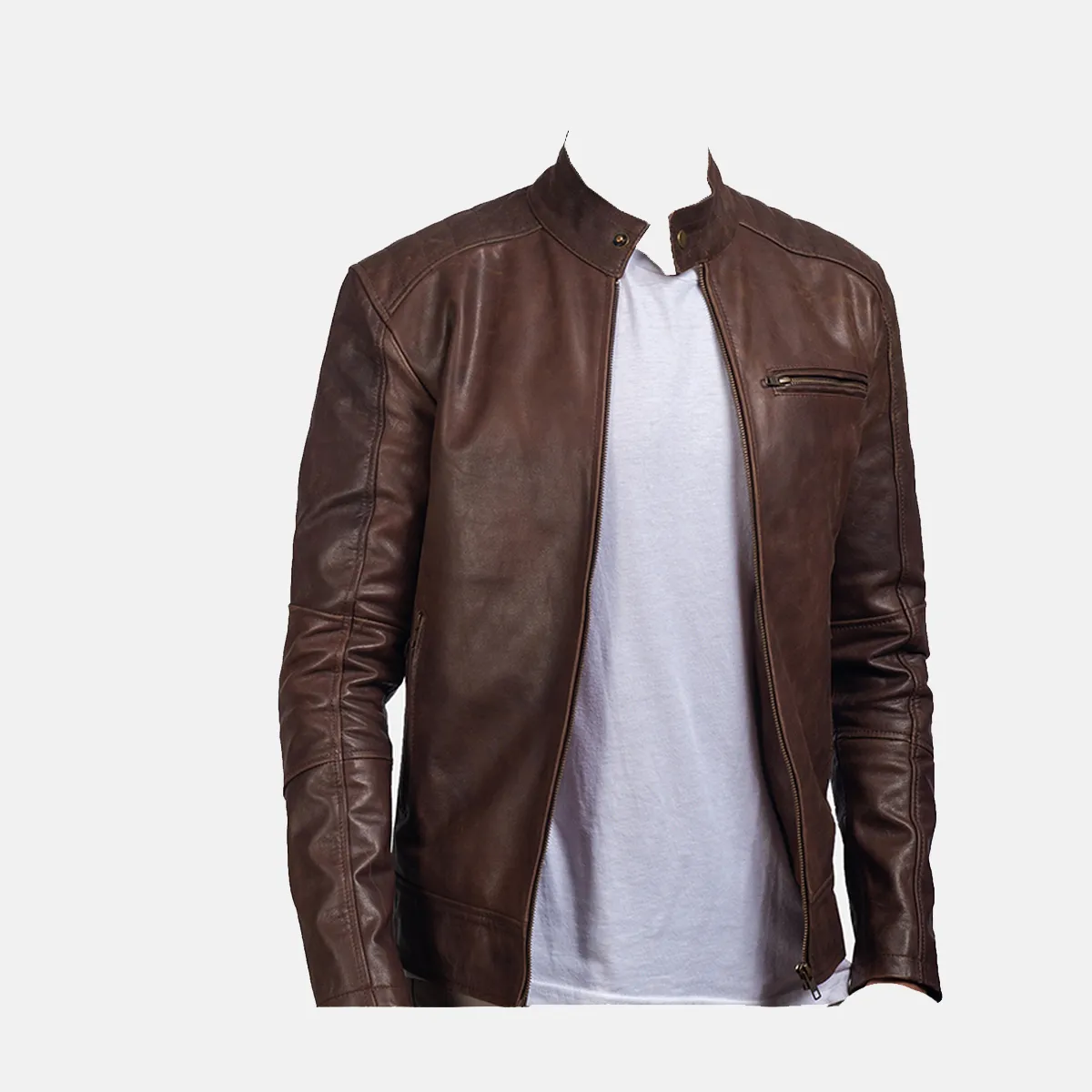
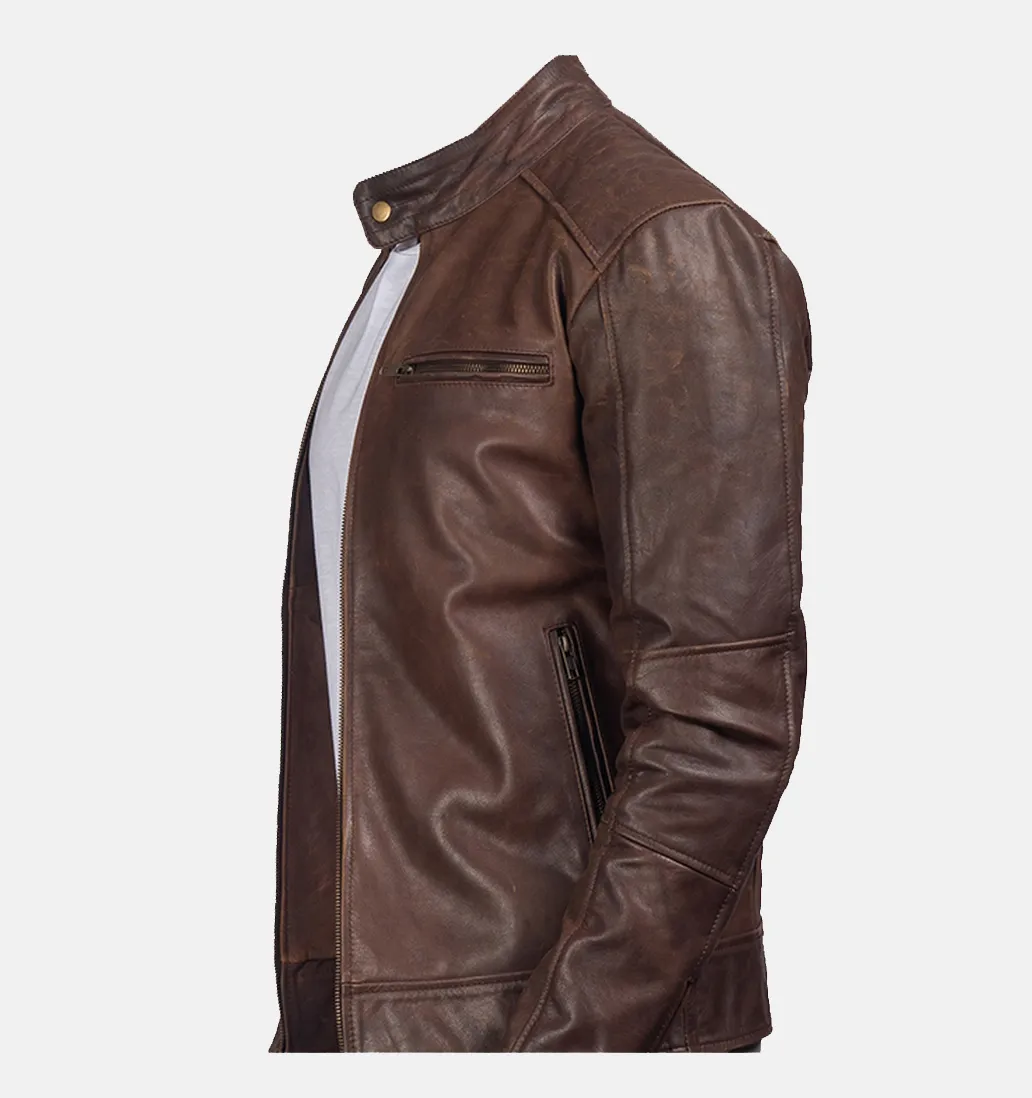
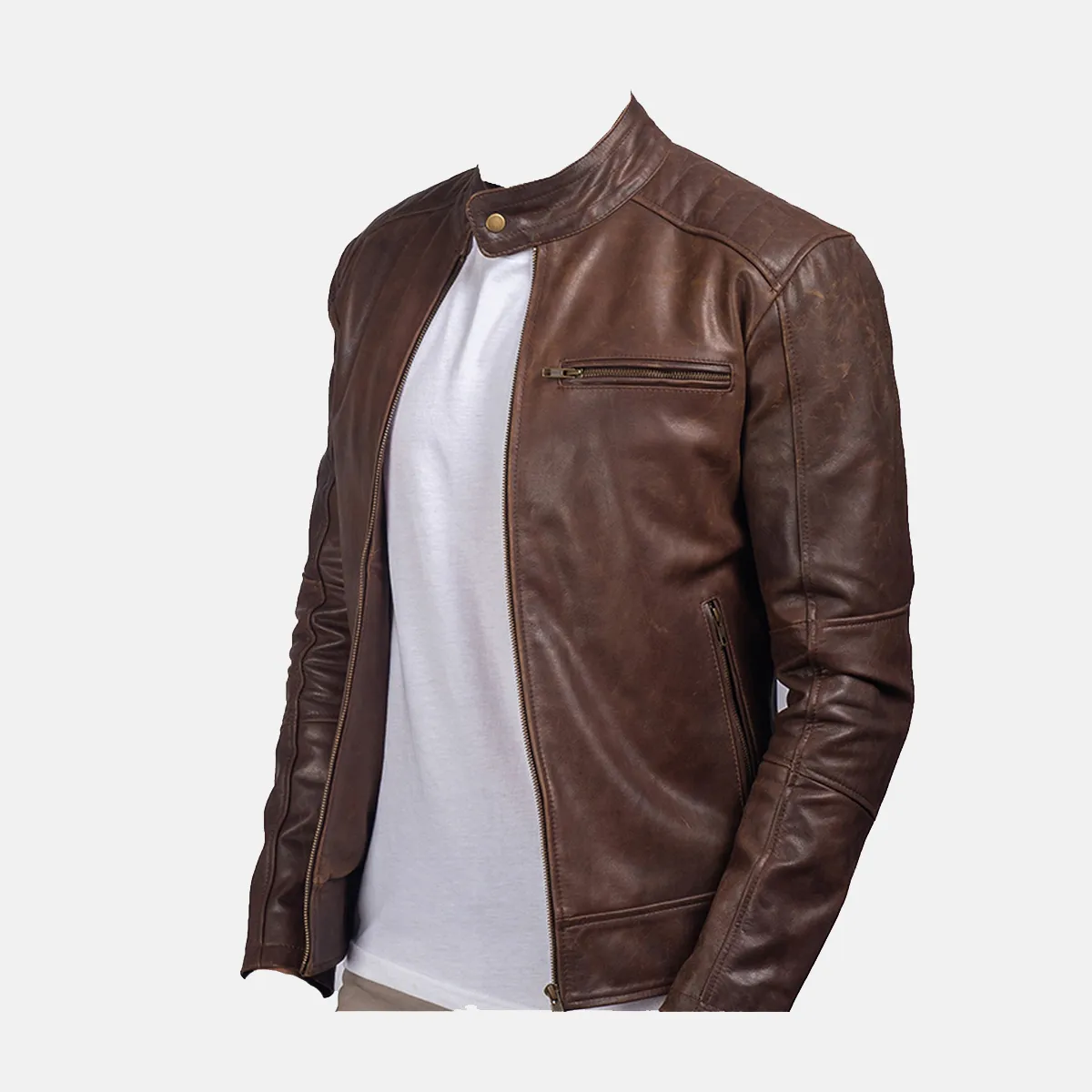
Description
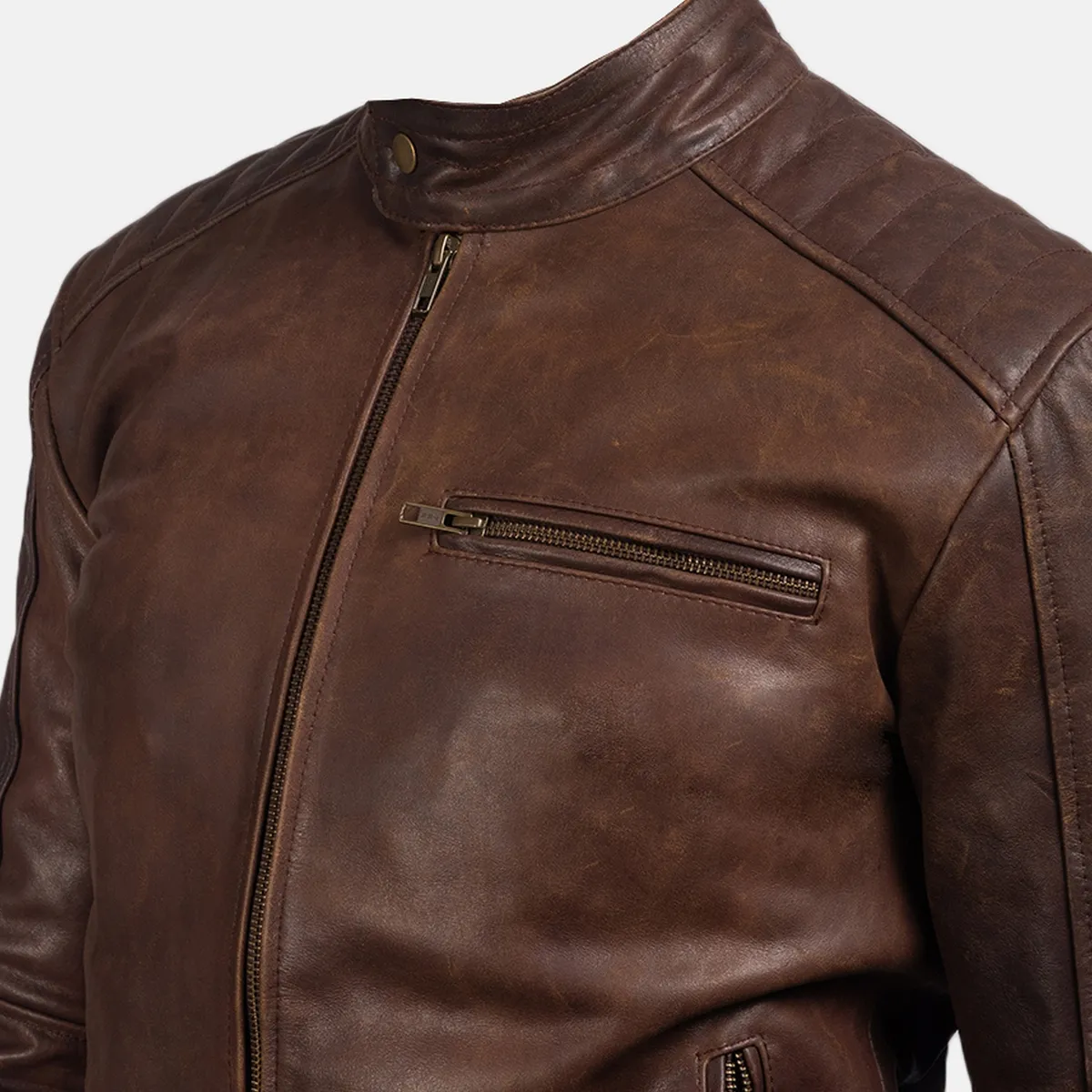
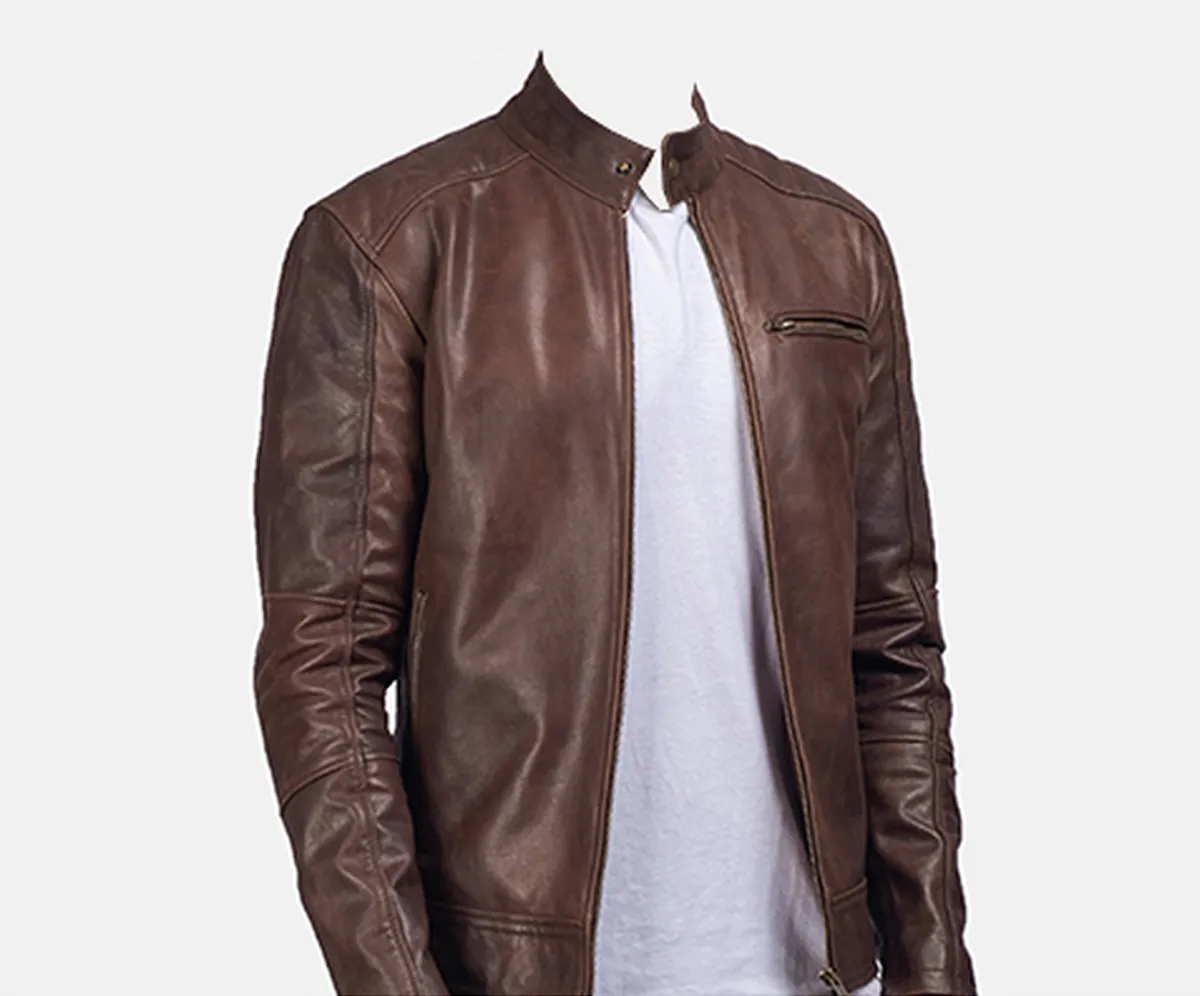
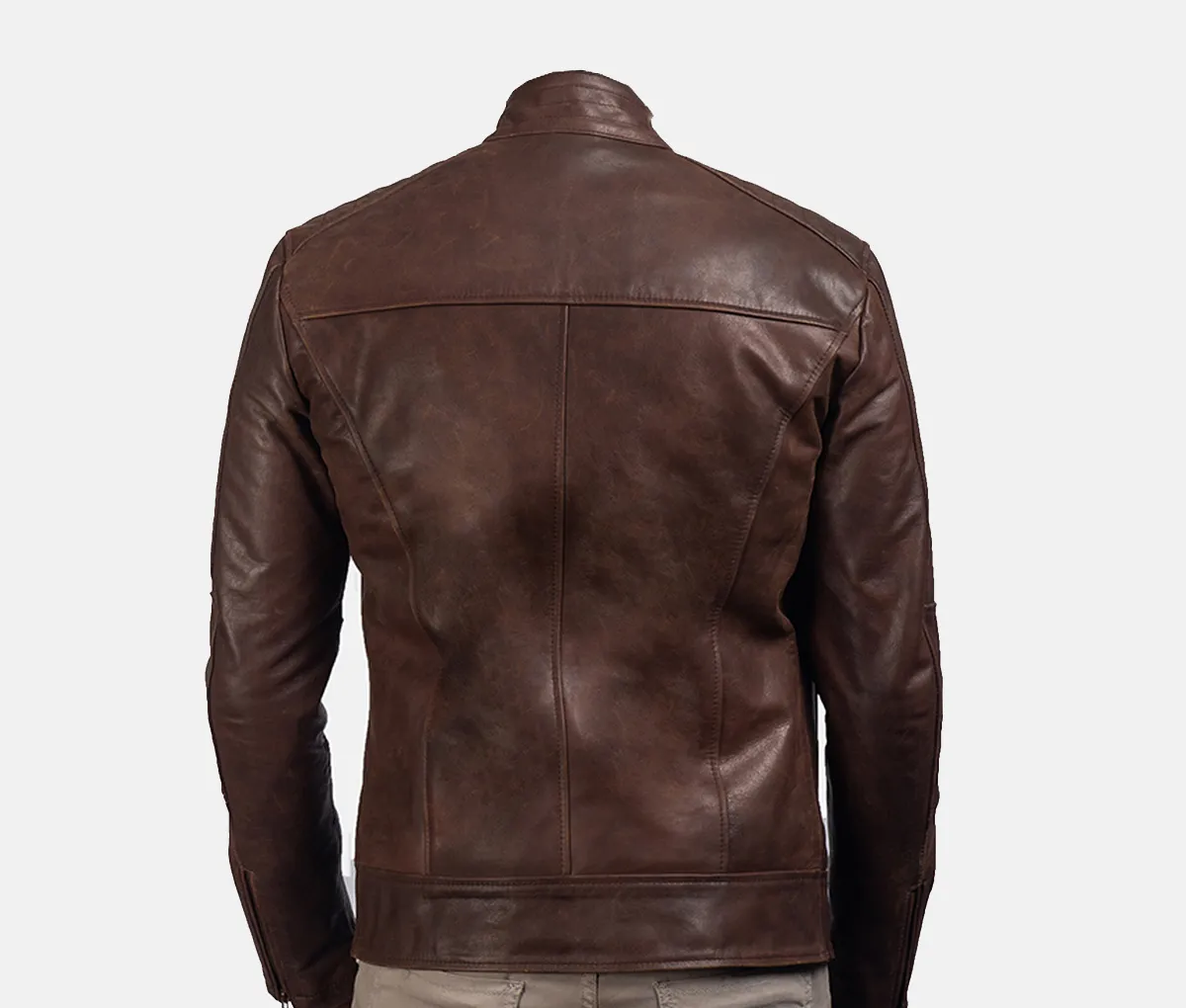
Lajwanti Collections is a slim fit leather jacket manufacturer for B2B fashion brands that want to develop a fitted, stand-collar outerwear style under private label, OEM or ODM arrangements. The page should serve buyers sourcing this specific silhouette, while broader leather-jacket manufacturing remains owned by the main leather-jackets category.
For brands building a concise outerwear line, the commercial value of this page is not a generic promise to manufacture every kind of leather jacket. Its job is to present a defined product direction: a clean slim-fit body paired with a stand-collar look, then explain which variables a buyer must confirm before sampling. This distinction matters for search intent and for procurement. A buyer arriving here should quickly understand that the starting point is a fitted fashion jacket rather than a bomber, asymmetric biker, varsity, aviator or broad leather-jacket service page.
Slim Fit Leather Jacket Manufacturer for Relevant B2B Buyers
This product direction is suited to fashion labels, streetwear brands, boutiques, wholesalers and sourcing teams that want a narrower leather outerwear silhouette for a branded collection. It can support a new capsule, a seasonal addition to an established range or a repeat program where the buyer already has approved measurements and branding assets. The page should speak to buyers making product decisions, not to individual consumers seeking a one-off personal jacket.
The core sourcing discussion should focus on silhouette, collar profile, measurements, hardware direction, lining, finish, logo placement and packaging. A slim fit can mean different things across target markets, so the buyer should provide either an approved sample, a measurement chart, a tech pack or a clear fit reference. Final size grading and tolerances should be agreed during development instead of assuming that a generic small-to-extra-large scale will fit every brand.
Product Style, Materials and Customisation
The validated product distinction is the slim-fit, stand-collar style. Other physical details should remain conditional unless supported by the buyer’s specification, the actual product image or an approved sample. Material directions can be reviewed during quotation and sampling, but the public page should not state that every order uses a particular leather grade, lining composition, zipper type or finish. This keeps the description useful without turning selectable options into false specifications.
Brands can discuss changes to the body length, sleeve proportion, collar height, pocket arrangement, front closure direction, surface finish, colourway and hardware appearance, subject to technical feasibility. Branding may include approved neck labels, size and care labels, hangtags, patches or other product-appropriate applications. Packaging can also be planned around the buyer’s presentation requirements and destination market. Each selected option should be recorded in the final specification so the approved sample becomes the practical reference for bulk production.
Buyer Decisions to Confirm
The buyer should confirm the target customer and fit direction, measurement system, material preference, colour and finish, lining requirement, closure and hardware direction, pocket details, logo and label placements, packaging requirements, quantity, destination country and whether development begins from an existing style or buyer-supplied specification.
Private Label, OEM and ODM Manufacturing
Private label, OEM and ODM represent different development routes. Private label development is appropriate when the jacket will be sold under the buyer’s brand and the project requires brand-specific labels, presentation and agreed product changes. OEM is the stronger description when the buyer supplies a reference sample, design, measurements or technical specification that Lajwanti Collections is asked to manufacture against. ODM is suitable when an existing Lajwanti product direction is adapted through agreed changes such as fit, colour, components, branding or packaging.
These routes should not be stacked as empty marketing terms. The enquiry should identify which assets the buyer already has and what development work is required. That lets the quotation separate sample development, material and component choices, branding requirements and production planning in a commercially useful way.
MOQ, Paid Samples and Bulk Production
Apparel does not have a universal published numerical MOQ in the verified company information. Low-MOQ leather-jacket options may be available, but the exact minimum for this slim-fit leather-jacket project must be confirmed after reviewing the design, material direction, colours, grading, trims, labels, packaging and requested quantity. The page should therefore avoid importing the women’s-footwear MOQ or footwear lead-time rules into apparel.
Sampling is a paid, project-specific stage. Sample cost and development timing are confirmed during quotation. Bulk production begins only after the buyer approves the sample or prototype and the final specification. Production timing is also quotation-specific for apparel and can vary with materials, revisions, components, quantity, packaging and production planning.
The buyer journey is straightforward: Share the Brief; complete Feasibility and Quotation; move into Paid Sample Development; complete Sample and Specification Approval; then begin Bulk Production, Checks, Packing and Shipping. At each stage, decisions should be written down so that changes do not quietly move from the sampling stage into production.
Quality Control Against Approved References
Quality control before shipment should be tied to the approved sample and order specification rather than broad claims such as certified, reinforced or tested unless documentary evidence exists. For this style, appropriate checks may include the agreed silhouette and measurements, collar shape, seam and panel alignment, visible surface consistency, hardware placement and operation, lining and label placement, logo orientation, colour direction and packing presentation. The applicable checkpoints depend on the final construction.
For repeat orders, the most useful control is consistency against the buyer-approved reference and documented specification. Any approved change to material, hardware, measurement or branding should be recorded before production proceeds. This gives procurement teams a clearer basis for review than vague phrases such as premium quality or strict QC.
Product Care and Handling
Care guidance must follow the final material and finish. The public page should not publish one universal leather-care method for every possible material option. Instead, the finished order should use care information appropriate to the confirmed shell, lining, finish and decoration. Buyers should also specify folding, hanging, protective wrapping and carton requirements where presentation during international shipping is important.
Why Work with Lajwanti Collections?
Lajwanti Collections is based in Lahore, Pakistan and has operated since 2003. The company supports private-label, OEM, ODM and made-to-order manufacturing across apparel, women’s footwear and sports uniforms, with worldwide shipping support. For apparel, exact MOQs, sample arrangements, materials and production timing are confirmed by project. That evidence-led approach fits a style-specific page because it separates permanent company information from decisions that belong in the quotation and approved sample.
Request a Manufacturing Quote
To request a manufacturing quote for this slim-fit stand-collar jacket, send the intended quantity, destination country, target customer, size and measurement information, material direction, colour and finish references, hardware preferences, branding files, packaging requirements and any existing sample, sketch or tech pack. Lajwanti Collections can then review feasibility, confirm the appropriate manufacturing route and define the paid sample stage before bulk production.