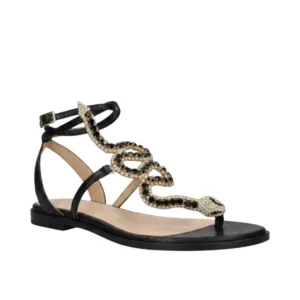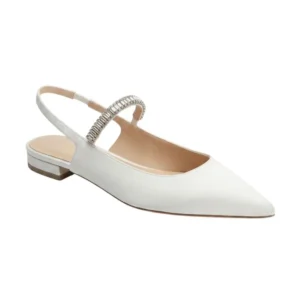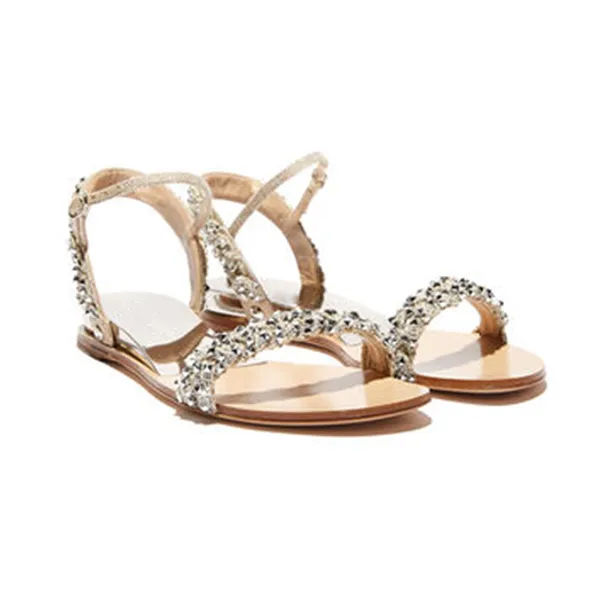

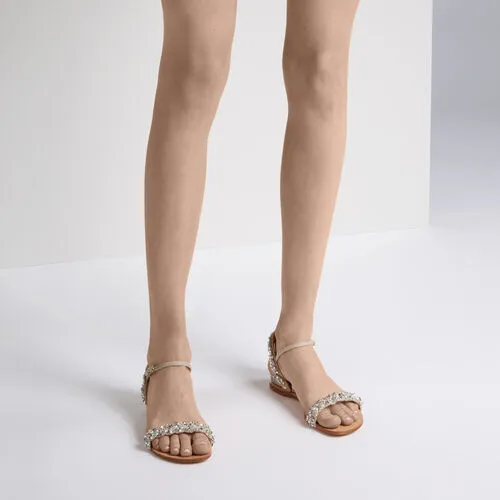
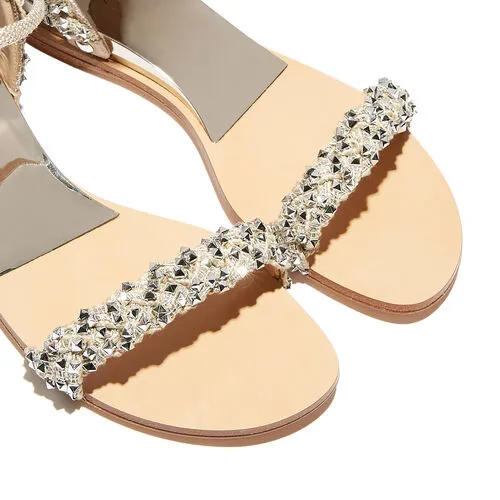

Description
Custom Women’s Flat Sandals for Private Label Brands is a B2B product-development direction for sandal brands, fashion labels, retailers, wholesalers and private-label footwear buyers. Lajwanti Collections can develop this women’s flat sandals through private-label, OEM, ODM and made-to-order workflows, with design choices confirmed through paid sampling before bulk production. The page should sell a sourcing route, not a one-pair retail purchase.
The page intent behind custom women’s flat sandals should stay tightly connected to the actual product rather than drift into generic footwear-manufacturer copy. Confirmed evidence currently supports women’s flat-sandal page identity, flat-shoe parent mapping. That is enough to define the sourcing conversation, but it is not enough to publish exact claims about materials, comfort technology, durability, sole compounds or construction methods. Those details should be treated as specification decisions and approved in the sample before they appear as factual product claims.
Custom Women’s Flat Sandals for Private Label Brands for Relevant B2B Buyers
This page is intended for sandal brands, fashion labels, retailers, wholesalers and private-label footwear buyers, not individual retail shoppers. Commercial applications can include summer footwear collections, private-label sandal programs, retail flat-sandal assortments, OEM development once the exact design is confirmed. The buyer’s job is to define the collection role: hero style, seasonal colourway, occasion product, everyday line or a reference-led OEM program. Lajwanti Collections can then assess how the requested direction fits sampling, component sourcing, size planning, branding and packaging. That buyer-first framing keeps the page useful for procurement and protects the broader Flat Shoes category from duplicated search intent.
Buyers exploring related footwear sourcing options can also review custom women’s flat sandals, custom beige flat shoes, custom comfortable flat shoes, and custom Blossi flat shoes for additional private-label development directions.
Product Style, Materials and Customisation
The safe product definition is a women’s flat-sandal product direction that must be tied to a real sandal construction or design attribute before publication. From there, a buyer can develop the specification around material direction, colour, finish, silhouette details, lining, insole, outsole, straps or closures, decorative components, sizing and branded presentation. Potential women’s-footwear materials can include leather, PU, other synthetics, suede, nubuck, patent finishes, satin, velvet, woven textiles, mesh, lace, decorative hardware and rubber or synthetic sole options, but only the options confirmed for the quotation should be published as exact product facts.
Buyer Decisions to Confirm
- The approved design/reference and target customer
- Material and finish direction
- Construction, toe and closure details
- Colourway and any embellishment
- Size run and fit reference
- Branding, labels and packaging
- Planned order quantity
- Shipping destination and timing requirement
Private Label, OEM and ODM Manufacturing
The manufacturing route changes with the buyer’s starting point. A private-label buyer may use women’s flat sandals as a commercial direction and develop it under its own branding. An OEM project is more reference-driven: the buyer supplies the technical or visual brief that the manufacturer must interpret and sample. An ODM project begins from an existing Lajwanti Collections direction and adapts selected elements for the buyer. Branding, packaging and specification details are approved before bulk production rather than assumed from a generic catalogue description.
Brands developing their own footwear collections can also explore the custom footwear development process for additional product planning and manufacturing guidance.
MOQ, Paid Samples and Bulk Production
For women’s flat sandals, the commercial baseline is 12 pairs per design, per colour. Samples are paid, with typical development of 10–14 days once the design and specifications are sufficiently confirmed. After sample approval, bulk production is typically 4–6 weeks. Final scheduling can vary with design complexity, revisions, selected materials, packaging, order quantity, component availability and production planning, so the quotation should carry the confirmed dates.
For women’s flat sandals, use the five-stage path: Share the Brief → Feasibility and Quotation → Paid Sample Development → Sample and Specification Approval → Bulk Production, Checks, Packing and Shipping. This sequence gives the buyer clear approval control before committing to the bulk run.
Quality Control Against Approved References
The approved sample is the working reference for bulk production. Product-relevant checks for women’s flat sandals include matching the approved sandal reference, strap/upper alignment once confirmed, pair symmetry, sole and edge finish, size grading, branding and packaging. Where the buyer specifies colour standards, branded components or packaging, those items should be included in the approval record. The page should not claim a particular inspection standard, test result or certification unless Lajwanti Collections has documented evidence that applies to this product and order.
Product Care and Handling
Do not publish one fixed care method before the material specification is approved. General handling for women’s flat sandals can include dry storage, gentle surface cleaning, protection from harsh chemicals and excessive moisture, and careful packing so the shape or decorative elements are not compressed. Once the sample establishes the actual upper, lining, finish and sole materials, the buyer can approve care wording that fits those materials and the target market.
Why Work with Lajwanti Collections?
For buyers evaluating women’s flat sandals, the relevant verified facts are straightforward: Lajwanti Collections operates from Lahore, Pakistan, has been operating since 2003, supports private label/OEM/ODM/custom and made-to-order projects, uses paid sample approval before bulk production, and supports worldwide shipping. Women’s-footwear orders use a verified MOQ of 12 pairs per design, per colour. The product page should build trust from these documented facts rather than invent capacity, awards, certifications or guaranteed results.
Buyers interested in footwear sourcing and private-label development can also explore private label shoe manufacturing and custom shoe manufacturing for brands resources.
Request a Manufacturing Quote
A useful RFQ for women’s flat sandals should include the reference image or technical brief, planned quantity per design and colour, target sizes, branding requirements, packaging direction and delivery destination. Add any preferred materials or construction details if already decided. The next step is feasibility and quotation, followed by paid sample development—not an instant retail checkout. Primary CTA: Customize This Design. Secondary CTAs: WhatsApp Us and Request a Quote.
Procurement Notes for Custom Women’s Flat Sandals for Private Label Brands
A buyer comparing suppliers for women’s flat sandals should ask for the same decision points in each quotation: the exact sample-development scope, what is included in the quoted unit basis, how size/colour quantities are broken down, which branding and packaging elements are included, and what changes would trigger a revised price or schedule. The buyer should also keep the approved sample, specification, colour references and packaging artwork under version control so repeat orders can be compared against the same baseline.
For UAE / Middle East or any other target market, sizing labels and packaging language should be agreed before production rather than assumed. This procurement discipline reduces ambiguity without requiring the product page to make promises about quality levels, tests or delivery dates that depend on the final order.