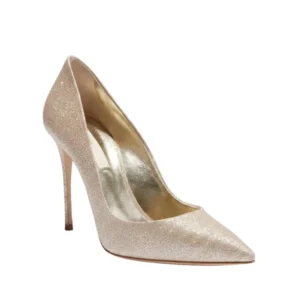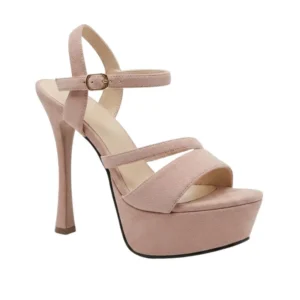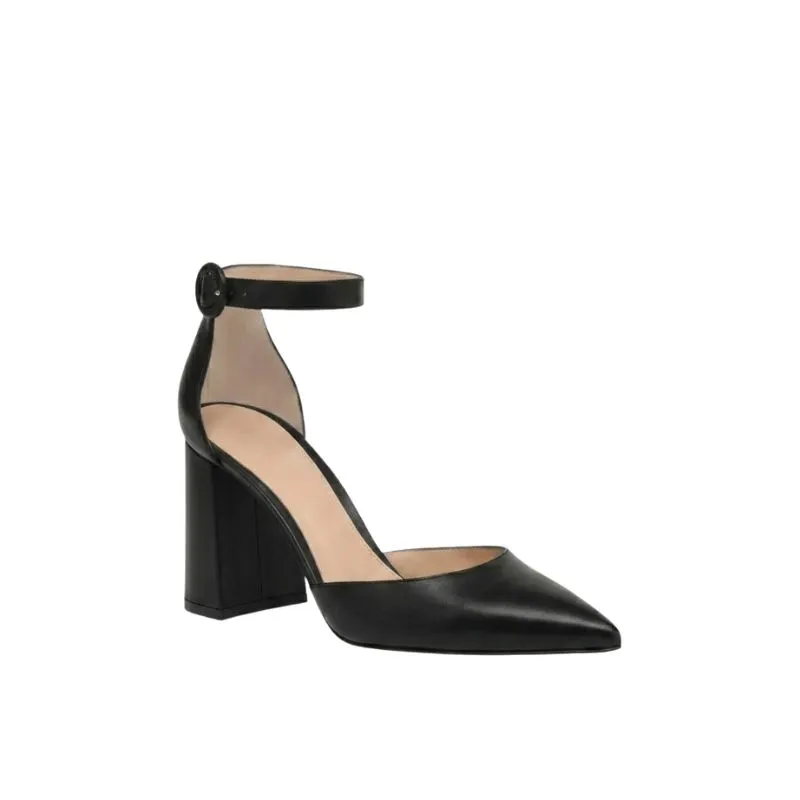


Description
Private Label Pumps Manufacturer for Footwear Brands is a B2B service page for brands that want to develop and sell women’s pump shoes under their own identity. Lajwanti Collections supports private-label, OEM and ODM development from Lahore, Pakistan, including paid samples, branding and packaging coordination, approved-specification production and worldwide shipping support.
Brands exploring pump development can also review custom made pumps, private label pumps, and custom shoe manufacturing for brands for related sourcing options.
Private Label Pump Program for B2B Buyers
A buyer looking for a private label pumps manufacturer is usually planning more than one isolated purchase. The buyer may be launching a pump line, adding pump styles to an existing footwear collection, refreshing colourways, or creating a repeat core programme. Serial 268 is therefore designed as the private-label programme owner for the Pumps cluster. It should explain the brand-development journey while the parent /pumps/ page continues to own the broad women’s pump shoes manufacturer intent.
The service is relevant to footwear brands, boutiques, retailers, wholesalers, ecommerce labels and sourcing teams building or expanding a branded women’s pumps line. A useful enquiry should define the target styles, intended quantities, colourways, size needs, branding level, packaging, destination and launch timing. Some buyers arrive with complete tech packs; others have reference images or an existing sample. The page should make clear that feasibility and quotation depend on the actual inputs, and that the sample stage converts those inputs into an approved production reference.
Private-label pump development can cover a coordinated set of product decisions rather than a single generic shoe. Buyers may need classic pumps, block-heel directions, bridal or occasion pumps, workwear styles, or other pump silhouettes, but each style requires its own confirmed specification. The service page should guide the programme without pretending that every material, heel or construction automatically applies to every pump in the collection.
Branding, Packaging and Collection Development
Brand identity is central to this page. Potential brand touchpoints may include insole or outsole logos, labels, hangtags, branded boxes, carton marks and other packaging elements, subject to technical feasibility. Artwork requirements, placement, colour and method should be submitted early so they can be assessed during quotation and represented in the paid sample where appropriate. This reduces the risk of discovering branding constraints only after the shoe specification has been approved.
Private label means the approved product is prepared for sale under the buyer’s brand. OEM is appropriate when the buyer provides detailed references or specifications. ODM is appropriate when the buyer wants to adapt an existing Lajwanti design direction. These routes can coexist within a collection, but the page should not use OEM, ODM, private label, supplier and factory as stacked synonyms. The commercial role is the private-label pump programme, and supporting terms should explain the manufacturing route rather than create keyword clutter.
For brands comparing different footwear categories, related manufacturing information can also be explored through shoe manufacturers and high heels collection pages.
MOQ, Paid Samples and Bulk Production
For women’s footwear, the verified MOQ is 12 pairs per design, per colour. Samples are paid. Typical paid sample development is 10–14 days after the design and specifications are confirmed, and typical bulk production is 4–6 weeks after sample approval. Final schedules can change because of materials, complexity, revisions, packaging, quantities, component availability and production planning. A collection with several styles and colourways should therefore be planned by design-and-colour combination rather than against one vague overall minimum.
A strong private-label workflow starts with the brand brief and assortment plan, then moves through feasibility and quotation, paid sample development, sample/specification approval and bulk production with checks, packing and shipping. The buyer should retain approved references, artwork and packaging files for repeat orders. If a later order changes a component, finish, colour or package, that change should be reviewed instead of assuming the previous approval automatically covers the new specification.
Five-Stage Buyer Journey
- Share the Brief — send the product reference, quantities, colourways, size needs, branding and destination.
- Feasibility and Quotation — confirm technical direction, commercial assumptions and quotation-specific requirements.
- Paid Sample Development — develop the sample after design/specification confirmation.
- Sample and Specification Approval — approve the reference and documented specification before bulk.
- Bulk Production, Checks, Packing and Shipping — manufacture against the approved reference, complete agreed checks, pack and support worldwide shipping.
Quality Control and Repeat-Order Management
Quality control should be defined against approved references. For a multi-style pump programme, the checklist can include silhouette conformity, pair matching, colour and finish consistency, size marking, heel and closure details where relevant, logo placement and packaging accuracy. The page should not publish invented AQL levels, testing claims or certifications. If a buyer requires a specific inspection protocol, it should be discussed and documented for the order.
The commercial value of a dedicated private-label pump page is clarity. It gives a brand one place to understand what inputs are needed, how styles move from concept to approved sample, where branding and packaging fit, and how repeat production is controlled. It also protects the site architecture: generic pump manufacturing belongs to the parent, specific shoe designs belong to product pages, and Serial 268 owns the private-label programme journey.
Brands developing specific pump collections can also explore custom nude pumps and GlamSole pump shoes for additional product-specific development directions.
To request a private-label pump quotation, send the target style references or collection brief, quantity by design and colour, desired size run, branding and packaging needs, destination country and launch requirement. Include tech packs, images or samples where available. Lajwanti Collections can then assess feasibility, quotation assumptions and the paid-sample route. Contact WhatsApp +92 333 941 1234 or email info@lajwanticollections.com.
Collection planning should also define which decisions are common across the range and which are style-specific. Brand colours, packaging architecture and logo rules may be shared, while lasts, toe shapes, heels, uppers and outsoles may differ by SKU. Separating those layers early makes quotations easier to compare and helps the buyer avoid assuming that an approval on one pump style automatically approves every other style in the programme.
Procurement and Approval Control
Procurement teams evaluating Private Label Pumps Manufacturer for Footwear Brands should also document approval ownership inside their organisation. One person should confirm the visual/product specification, while commercial stakeholders confirm quantities, packaging and destination requirements. Keeping those approvals aligned helps prevent late-stage changes that can affect quotation, sampling or production planning. For this private-label pump category programme, the buyer should treat the approved sample, specification notes and brand artwork as one connected control set rather than independent files.
Evidence-Led SEO Expansion
Search copy should remain evidence-led after launch. If first-party product images later confirm a specific toe, heel, closure, finish or material for Private Label Pumps Manufacturer for Footwear Brands, those verified attributes can be added to the page and image SEO. Until then, descriptive long-tail expansion should not outrun the product evidence. This keeps the page useful for buyers without creating an artificial specification merely to capture more keywords.
Request a Private Label Pump Quote
For repeat production, change control matters. A buyer should identify whether the next order is an exact repeat, a new colourway, a material substitution, a revised size run or a genuinely new style. Each type of change can affect feasibility, sampling and timing differently. The service page should encourage buyers to reference the prior approved specification while clearly flagging every requested change before production planning begins.