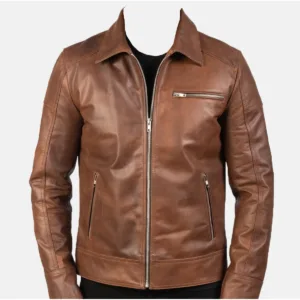
Description
A custom leather motorcycle jacket manufacturer page should help B2B brands source a motorcycle-inspired leather outerwear product without turning styling language into an unsupported safety claim. Lajwanti Collections can review private-label, OEM and ODM jacket projects for brands, retailers, wholesalers and sourcing teams, with specifications confirmed through quotation, paid sampling and approval before bulk production.
The current URL has a valid reason to remain separate from the broad leather-jackets category because the buyer job is narrower: develop a motorcycle or moto-inspired jacket direction. The rewritten page should therefore focus on product development, fit, construction choices, branding and procurement. It should not promise abrasion protection, impact protection, weather performance or compliance with motorcycle protective-equipment standards unless a specific construction has been independently tested and documented for those claims.
Custom Leather Motorcycle Jacket Manufacturer for B2B Buyers
This product route is relevant to fashion brands, moto-inspired lifestyle labels, retailers, wholesalers and private-label businesses that want a motorcycle aesthetic within an outerwear collection. Some buyers may be developing fashion-led biker styling; others may have a detailed technical brief. The page must keep those cases separate. A fashion motorcycle jacket can use visual cues associated with moto apparel without being represented as certified protective riding equipment.
A useful sourcing brief should identify the intended market and use case before discussing materials or components. The buyer should state whether the project is fashion-focused or whether any tested performance standard is actually required. If no test standard, certification or protective specification has been supplied, the page and quotation should remain within fashion/apparel terminology. This protects buyer expectations and prevents an attractive design description from being mistaken for a safety statement.
Product Style, Materials and Customisation
Motorcycle-inspired jackets can vary widely in silhouette and detail, so exact construction should be confirmed rather than assumed. Buyers may discuss collar direction, front closure configuration, pocket layout, sleeve and cuff details, panel styling, body length, fit, lining, surface finish, colours and hardware appearance. Material and component options should be selected for the approved design and target price point, then recorded in the order specification.
Brand development may also include product-appropriate neck labels, size labels, care labels, hangtags, approved patches, embroidery or other logo applications, plus packaging. Any hardware or trim described as heavy-duty, reinforced, protective or performance-rated requires evidence if that wording is to appear publicly. Otherwise, neutral descriptions such as selected zipper, snap, buckle, trim or component are safer and more accurate. Buyers exploring a different outerwear silhouette can also review the custom leather bomber jacket development route.
Buyer Decisions to Confirm
Confirm the intended use case, target market, jacket silhouette, fit, measurement chart, material direction, lining, closure and pocket plan, hardware appearance, colour and finish, branding placements, packaging, order quantity, destination, and whether the buyer requires any documented performance standard. If a standard is required, provide the exact test or certification requirement before development begins.
Private Label, OEM and ODM Manufacturing
Private label suits brands that want the final motorcycle-inspired jacket sold under their own name with approved labels, branding and presentation. OEM applies when the buyer provides a design, reference garment, tech pack, measurements or component requirements to manufacture against. ODM can apply when an existing Lajwanti direction is used as the starting point and adapted through agreed design and branding changes, as outlined in the private label vs OEM vs ODM guide.
The correct route depends on the buyer’s assets and the amount of development required. A clear project brief reduces unnecessary revisions because it tells the manufacturer which elements are fixed, which are open for development and which require buyer approval. It also prevents generic motorcycle-jacket content from drifting into the broader parent keyword owned by the main leather-jackets category.
MOQ, Paid Samples and Bulk Production
Lajwanti Collections’ verified apparel information does not publish a universal numerical MOQ. Low-MOQ options may be available, but the exact minimum for a motorcycle-jacket project is confirmed after reviewing construction, material and component choices, colourways, size grading, branding, packaging and quantity. Sample cost and timing are also quotation-specific for apparel.
Development should proceed through five commercial stages. First, share the brief with references and intended use, guided by what to send a manufacturer for quote. Second, complete Feasibility and Quotation so missing specifications and commercial terms are identified. Third, move to Paid Sample Development. Fourth, complete Sample and Specification Approval, including any documented performance requirement if relevant. Fifth, begin Bulk Production, Checks, Packing and Shipping against the approved reference.
Production time cannot responsibly be fixed at a footwear schedule or copied from another product page. It depends on final specifications, material and trim availability, revisions, quantity and production planning. The confirmed schedule should be issued for the specific order after the development scope is understood.
Quality Control Against Approved References
For a fashion-led motorcycle jacket, relevant checks can include agreed measurements, panel and seam alignment, visible finish, closure and pocket placement, lining, selected hardware, label and logo positions, colour consistency and packaging, following a quality control checklist before shipment. Where the buyer supplies a technical or performance requirement, the applicable verification process must be defined separately and supported by real evidence before any protective language is used.
The approved sample is the working reference for bulk production. This is especially important for a design with multiple panels, trims or hardware decisions because small changes can alter the visual result. Procurement teams should document approved revisions and avoid relying on conversational instructions that are not reflected in the final specification.
Product Care and Handling
Care instructions depend on the confirmed shell, lining, finish, trims and decoration. A motorcycle-inspired appearance does not create one universal care method. The final care label should therefore be based on the actual material and construction. Packing requirements should also reflect the buyer’s presentation needs so folds, hardware contact and surface handling are planned before shipment.
Why Work with Lajwanti Collections?
Lajwanti Collections is a Lahore, Pakistan-based manufacturer operating since 2003 with private-label, OEM, ODM and made-to-order support across apparel, women’s footwear and sports uniforms. For apparel, exact MOQs, sampling arrangements, production timing and technical options are confirmed per project. Worldwide shipping support is available, and bulk manufacturing begins after sample and specification approval.
Request a Manufacturing Quote
Send your intended quantity, destination country, target market, use case, reference design, measurement chart or tech pack, material direction, colourways, lining and hardware preferences, brand artwork, packaging needs and any required performance standard. The manufacturing team can then determine the correct development route, confirm the paid sample stage and quote the project without relying on unsupported safety or specification assumptions.