Description
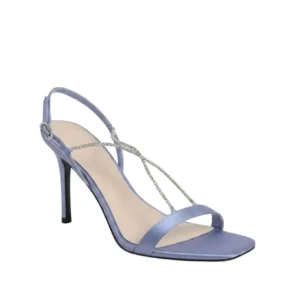
Custom Made Medium Heels gives footwear brands a defined open-toe medium-heel starting point for private-label, OEM, ODM or custom development. Lajwanti Collections translates the buyer’s design, size, branding and packaging requirements into a paid sample before approved bulk production.
Brands planning occasion footwear collections can also explore medium heels collection, custom made pumps, and women’s footwear manufacturer pages for additional B2B development routes.
Custom Made Medium Heels for Relevant B2B Buyers
Buyers considering custom made medium heels usually need more than a fashionable name. They need a clear route from design choice to a production-ready specification. This direction is relevant to bridal edits, bridesmaid palettes, formal-event capsules and private-label occasion collections. Before costing, the buyer should state the target channel, quantity per colour, required sizes, presentation standard and destination. Lajwanti Collections can then review which details are feasible, what must be sampled and which variables will affect quotation and scheduling.
The buyer group may include bridal labels, fashion brands, boutiques, retailers, importers, wholesalers and private-label startups. Their commercial needs differ. One may need a controlled occasion palette, another may focus on retail packaging, and another may require a simple repeatable construction for distribution. The page should frame these as decisions to be confirmed, not built-in product facts. That approach supports better enquiries and reduces misunderstanding before sampling.
Commercially, Custom Made Medium Heels should be treated as a quotation-led B2B product direction, not a consumer listing. Avoid language built around instant purchase, discounting, stock availability or guaranteed delivery. Instead, make the page useful for specification, sampling and supplier evaluation. The buyer should understand which decisions must be confirmed, what evidence is still missing, and how to begin a paid sample or quotation with Lajwanti Collections.
Product Style, Materials and Customisation
The product direction is an open-toe medium-heel sandal direction with a clean front band and ankle-strap concept; materials, buckle, heel dimensions and construction remain subject to feasibility and sample approval. This gives the page a useful silhouette without converting current copy into evidence for every specification.
Possible material directions may include genuine leather, PU, synthetic materials, satin, velvet, patent finishes or other fabrics subject to feasibility. Heel components, buckle hardware, lining, insole, outsole, edge finishing and packaging must be agreed together because a change in one component can affect balance, appearance, cost and sample revisions.
A buyer may request feasible adjustments to colourways, material direction, strap proportions, branding, labels or packaging. More structural changes to the heel, last, toe opening or upper pattern may change development cost and timing. The quote should identify which elements belong to the base direction and which are custom. This distinction helps both parties evaluate revisions and prevents a visual request from being mistaken for a finished production instruction.
Buyer Decisions to Confirm
- Front-band width
- Toe opening
- Ankle-strap and buckle
- Heel shape and feasible height
- Colour and finish
- Lining and insole direction
- Size grading
- Branding and presentation packaging
Product Development and Merchandising Fit
This product works best when the buyer treats the base sandal direction as a development platform rather than a fixed off-the-shelf specification. The brief should connect the target customer and occasion with the required front-band proportions, ankle-strap treatment, heel direction, colour palette and presentation.
Materials and components should be selected together because finish, structure and price positioning interact. A documented sample review can cover appearance, fit direction, branding and packing before bulk approval. That process supports clearer internal sign-off and reduces avoidable revisions later in the programme.
For range planning, Custom Made Medium Heels can be presented as a specific open-toe, ankle-strap option within the broader medium-heel collection. The public copy should make that distinction visible near the top of the page and link to the category for buyers who want other silhouettes.
Sibling products should be selected for meaningful design differences, not keyword variation. This creates a more useful collection journey, protects category ownership and allows enquiry forms to capture exactly which product direction the buyer wants to sample.
Private Label, OEM and ODM Manufacturing
For a private-label programme, the buyer selects an approved product direction and sells the finished range under its own brand. Logo execution, labels and packaging are confirmed before production. An OEM brief starts from the buyer’s specifications or references; an ODM brief starts from an existing direction that is adapted within feasible limits.
Recording the route helps clarify who supplies design information, what must be sampled and which approvals release production. The selected development path should be confirmed during quotation rather than assumed from the product name alone.
MOQ, Paid Samples and Bulk Production
Commercial planning begins with the verified minimum of 12 pairs per design, per colour for women’s footwear. The final quote still depends on the requested specification, colour count, size mix, branding and packaging. Sample development is paid and typically takes 10-14 days once the design is confirmed. After the sample and specification are approved, bulk production typically takes 4-6 weeks. These are typical windows, not guarantees; revisions, materials, components, quantity and production planning may change the confirmed timing.
A clear production workflow helps both parties manage Custom Made Medium Heels development. The process moves from the initial brief through feasibility review, quotation, paid sample development, sample approval and bulk production against the approved reference.
Five-Stage Buyer Journey
- Share the Brief – provide the Custom Made Medium Heels reference, quantities, sizes, colours, destination, branding and packaging requirements.
- Feasibility and Quotation – review the design, commercial structure, paid-sample cost, available options and quotation-specific schedule.
- Paid Sample Development – develop the agreed product direction and document any necessary revisions.
- Sample and Specification Approval – approve the physical sample, written specification, branding and packing reference before bulk production.
- Bulk Production, Checks, Packing and Shipping – produce against the approved reference, complete relevant checks, pack as confirmed and arrange worldwide shipping support.
Quality Control Against Approved References
Checks for this open-toe ankle-strap direction should be selected from the approved construction. They may cover toe-opening consistency, front-band alignment, strap length and buckle function, heel balance, pair matching, colour and finish, stitching, attachment security, branding and packing.
Production should be judged against the approved sample and specification. No AQL level, durability result or comfort performance should be published without evidence.
Buyers comparing occasion footwear development routes can also review custom nude pumps and sparkling high heel pumps for related product directions.
Product Care and Handling
Handling instructions depend on the approved upper and finish. Store the heels in a dry place, avoid pressure on straps and heel components, and keep them away from direct heat. Use only a cleaning method suitable for the confirmed material.
Packaging inserts or protective wrapping should be selected to reduce rubbing and deformation in transit. Final care guidance should be confirmed after the material and finish specification has been approved.
Why Work with Lajwanti Collections?
Lajwanti Collections has operated from Lahore, Pakistan since 2003 and supports quotation-led B2B footwear development. The verified workflow combines feasibility review, paid sampling, sample approval, bulk production, branding, packaging and worldwide shipping support.
Buyers receive a controlled process for turning a selected design into a documented private-label or OEM/ODM order. Exact product specifications, pricing and production schedules remain quotation-specific and are confirmed after reviewing the required design details.
Request a Manufacturing Quote
To price this design, share the order quantity per colour, size breakdown, destination, target channel, design reference, material direction, logo assets and packaging needs.
The response can then address feasibility, paid sampling, quotation-specific options and the confirmed next step for Custom Made Medium Heels. A complete brief helps Lajwanti Collections evaluate the development route and prepare a clearer production proposal.