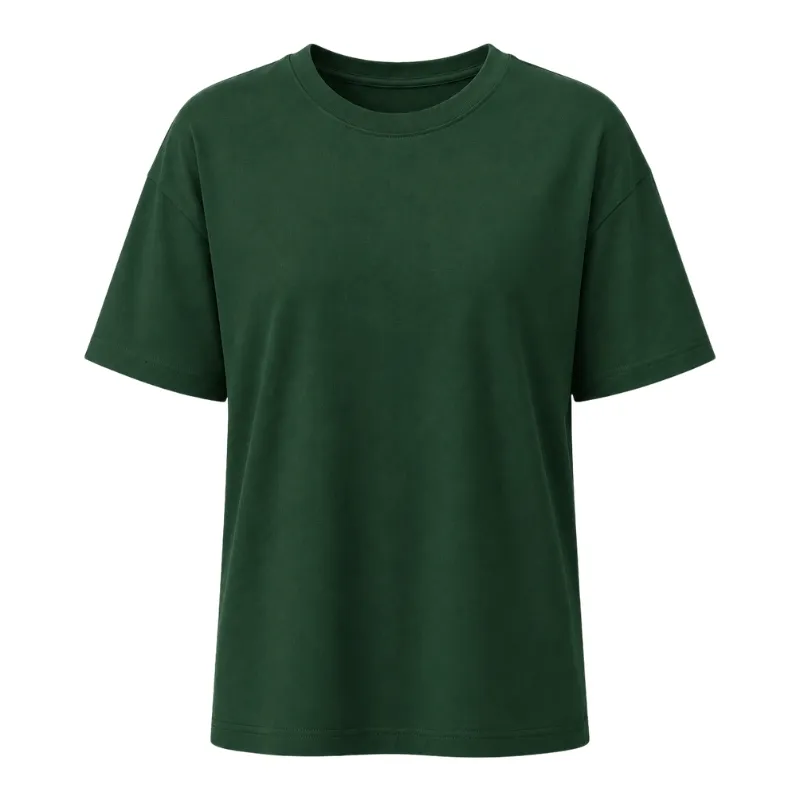
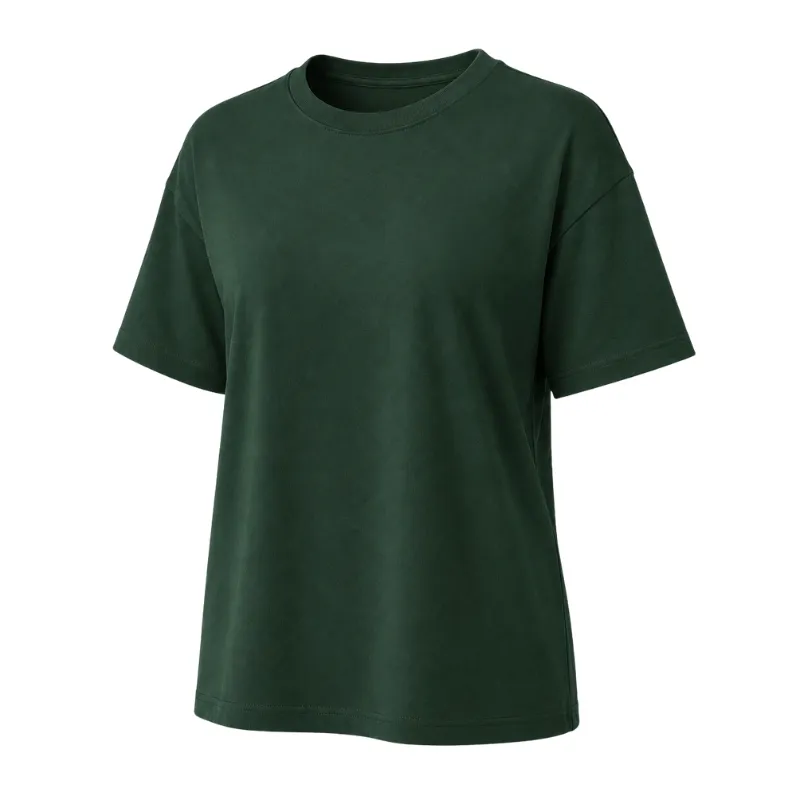
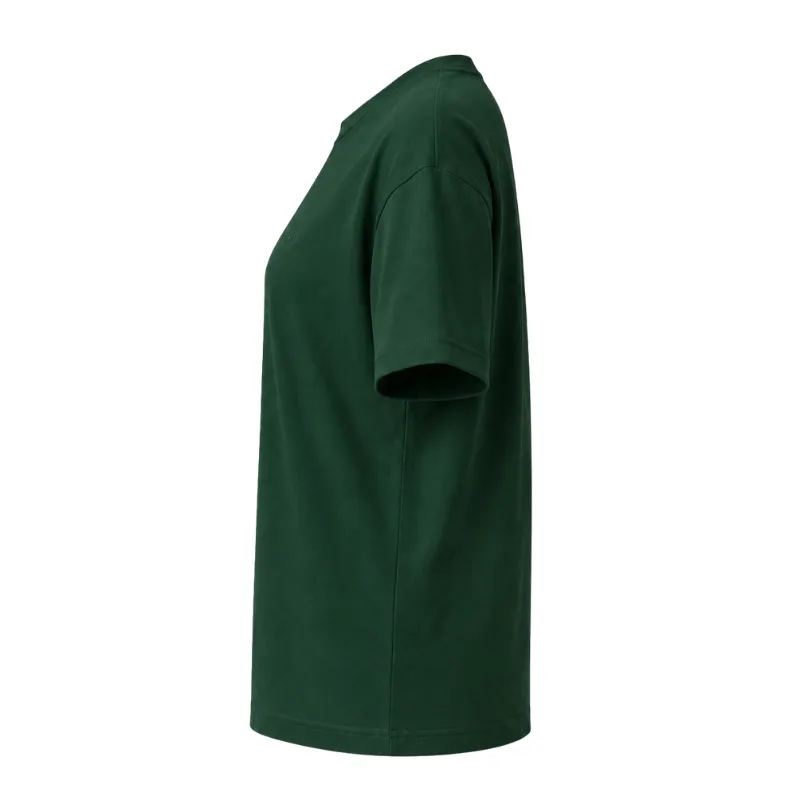
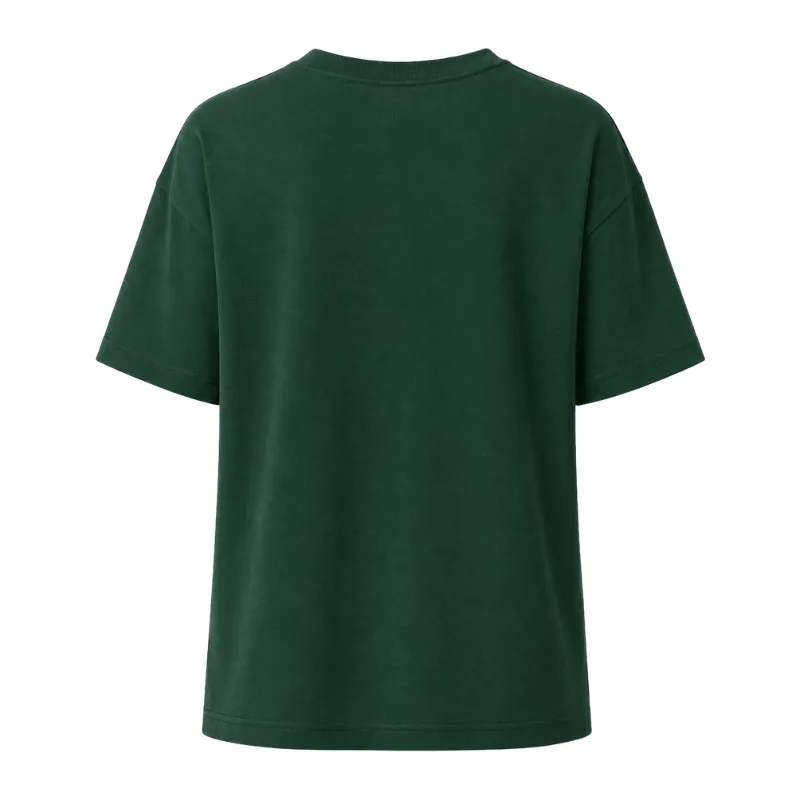
Description
A casual women’s T-shirt manufacturer helps fashion brands, retailers, wholesalers and startups develop a women’s casual tee direction around an approved fit, fabric, colour, branding and packaging brief. Lajwanti Collections supports private-label, OEM and ODM development, paid sampling, bulk production after approval and worldwide shipping support, with apparel terms confirmed by quotation.
Casual Women’s T-Shirt Manufacturer for Relevant B2B Buyers
Casual women’s T-shirts are a product direction for brands that need an everyday, commercially flexible tee within a women’s collection. A buyer may be planning a boutique assortment, a private-label basics range, an e-commerce capsule, a seasonal colour story or a wholesale program. The page must therefore answer how the garment will be specified and approved, not encourage an individual shopper to add a single tee to a basket.
This page owns the casual women’s T-shirt product/style intent. The parent Custom Women’s T-Shirts page remains the broader owner for women’s T-shirt manufacturing. The child page should use “casual” as the defining product direction and explain the manufacturing route around fit, fabric, colour, decoration, labels and packaging. It should not repeat a broad women’s T-shirt manufacturer page in smaller form.
Relevant buyers include women’s fashion brands, boutiques, retailers, wholesalers, online brands, private-label startups and sourcing teams. Their priorities can differ: one may need a repeatable core silhouette, another may need a particular fit block, and another may need an artwork-led capsule. A quotation works best when these decisions are separated into confirmed requirements, open options and approval checkpoints.
Product Style, Materials and Customisation
The source mapping identifies a casual women’s T-shirt product direction but does not confirm a particular fibre, blend, GSM, knit, wash, finish or performance property. The page should keep fabric language conditional and invite the buyer to specify the intended hand feel, weight, opacity, stretch requirement or other commercial need. Any actual fabric option must be confirmed for the requested construction and market.
Casual is a merchandising role rather than a hidden measurement set. The buyer should define the fit direction—such as regular, relaxed, boxy, cropped or oversized—through a reference, tech pack or measurement chart. Neckline, sleeve, shoulder, body length, hem and tolerance should be recorded so the approved sample represents the intended women’s fit rather than a generic tee assumption.
Colour and decoration decisions should support the collection plan. Buyers may bring colour standards, artwork, logo files or embroidery references. The feasible printing or embroidery method, placement, scale, thread or ink direction, labels and trims are confirmed during quotation and sample development. Multiple colourways should be mapped with quantities and sizes so the commercial quote reflects the actual program.
Packaging and presentation can be discussed for boutique, retail or e-commerce use. Options may include folding, size identification, hang tags, care information, individual packing and cartons, but the final pack-out is not confirmed until the buyer’s brief is reviewed. The page should make this a planning conversation rather than promise a standard packaging system.
- Fit silhouette, measurement chart, grading rules and tolerance
- Fabric composition, GSM, knit, hand-feel and any stretch requirement
- Neckline, sleeve, shoulder, body length, hem and seam construction
- Colour standards, artwork, print or embroidery placement
- Brand labels, care information, hang tags and packaging format
- Quantity, size breakdown, destination and paid sample requirement
Private Label, OEM and ODM Manufacturing
A private-label route lets a brand develop the casual women’s T-shirt for sale under its own identity. The buyer can discuss labels, logo placement, artwork, hang tags and packaging as part of the same product brief. This is especially useful when the casual tee needs to sit inside a named collection with a consistent presentation system.
OEM is appropriate when the buyer brings a defined garment reference, tech pack or set of technical requirements. The team can review the requested fit, fabric, construction, decoration, labels and packaging for feasibility. Any changes agreed during the review should be recorded so the sample and later bulk production are based on one clear reference.
ODM is a route for buyers who want to adapt an existing Lajwanti direction while adding their own market, fit, colour, branding and packaging decisions. It still requires a commercial and technical review. The difference is the starting design contribution, not an exemption from paid sampling or approved-specification control.
MOQ, Paid Samples and Bulk Production
There is no universal published numerical MOQ for casual women’s T-shirts. Apparel terms depend on the garment, fabric, GSM, construction, colourways, decoration, labels, packaging, size breakdown, quantity and specification. A boutique program and a larger wholesale program may require different quotation logic, so the buyer should send the intended order structure before expecting a confirmed figure.
Samples are paid, not automatically free. The paid sample gives the buyer a defined opportunity to review fit, measurements, fabric direction, construction, artwork, branding and finish. Sample cost and timing are quotation-specific because the work can include pattern adjustments, fabric sourcing, artwork preparation, revisions and other development activity.
Bulk production should begin only after the sample or prototype and confirmed specification are approved. Production timing is therefore confirmed per project and can be affected by materials, colourways, revisions, quantity, components and production planning. Avoid publishing a generic “fast delivery” or fixed lead-time claim on this page.
- Share the Brief — provide the casual fit direction, reference or tech pack, fabric requirements, colours, branding, packaging, quantity and destination.
- Feasibility and Quotation — review the requested garment and confirm feasible options, apparel MOQ, sample scope and quotation terms.
- Paid Sample Development — develop the selected casual women’s T-shirt sample or prototype for review.
- Sample and Specification Approval — approve the fit, measurements, fabric, colours, decoration, labels and packaging reference.
- Bulk Production, Checks, Packing and Shipping — produce against the approved reference, complete agreed checks and arrange quotation-specific worldwide shipping support.
Quality Control Against Approved References
Quality control should be explained as comparison against the approved sample and specification. For a casual women’s T-shirt, relevant checkpoints may include measurements and tolerances, neckline and sleeve construction, seam appearance, hem finish, colour consistency, print or embroidery placement, label accuracy, packaging instructions and size breakdown. A quality-control checklist before shipment can help buyers organize these review points.
Repeat-order control depends on keeping the reference current. If the buyer changes a fabric, fit, colour, artwork or packaging component, the revision should be documented before bulk production. Do not publish certifications, testing results, AQL levels, durability guarantees or performance claims unless the business has first-party evidence for the exact product and claim.
Product Care and Handling
Care guidance must follow the final confirmed fabric and finish. The page should not promise a universal wash method, shrinkage result, colourfastness outcome or shape-retention performance before the material and care label are approved. Buyers should provide any required care-language direction, and the published label should match the final product.
During approval, the buyer can review the sample under the intended handling process where relevant to the range. Any care statement later added to the live page should be verified against the actual garment and final care label, not inherited from another women’s T-shirt or consumer-shopping page.
Why Work with Lajwanti Collections?
Lajwanti Collections is a Lahore, Pakistan-based B2B manufacturer operating since 2003. Its verified model includes private label, OEM, ODM, custom and made-to-order manufacturing. For this product, the relevant value is a structured route from a casual women’s T-shirt brief to feasibility review, paid sample, specification approval, bulk production, packaging and destination-specific shipping support.
Worldwide shipping support is available for international B2B enquiries, but the arrangement is confirmed for the buyer’s destination and order. The RFQ should make it easy to share the product brief, quantity, size breakdown, branding, packaging and timing requirement without turning the page into a promise of delivery or a consumer checkout experience.
Request a Manufacturing Quote
To request a quote for casual women’s T-shirts, send the reference or tech pack, intended fit and measurement chart, fabric or GSM direction if known, neckline, sleeve and hem details, colour standards, artwork, label requirements, packaging, quantity, size breakdown and destination country. The guide explaining what to send a manufacturer can help organize these details. If the buyer is still deciding between fit or fabric options, note those as open decisions so the team can respond with feasible routes.
Use the RFQ form or WhatsApp to start. Lajwanti Collections can review the product direction, clarify quotation-specific apparel terms, identify the paid sample requirement and outline the information needed for approval before bulk production. The main CTA should invite the buyer to develop the casual tee for its brand rather than shop for one individual garment.