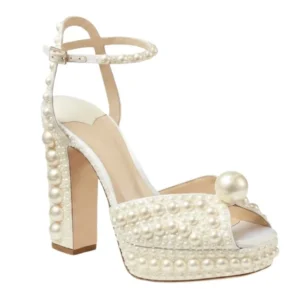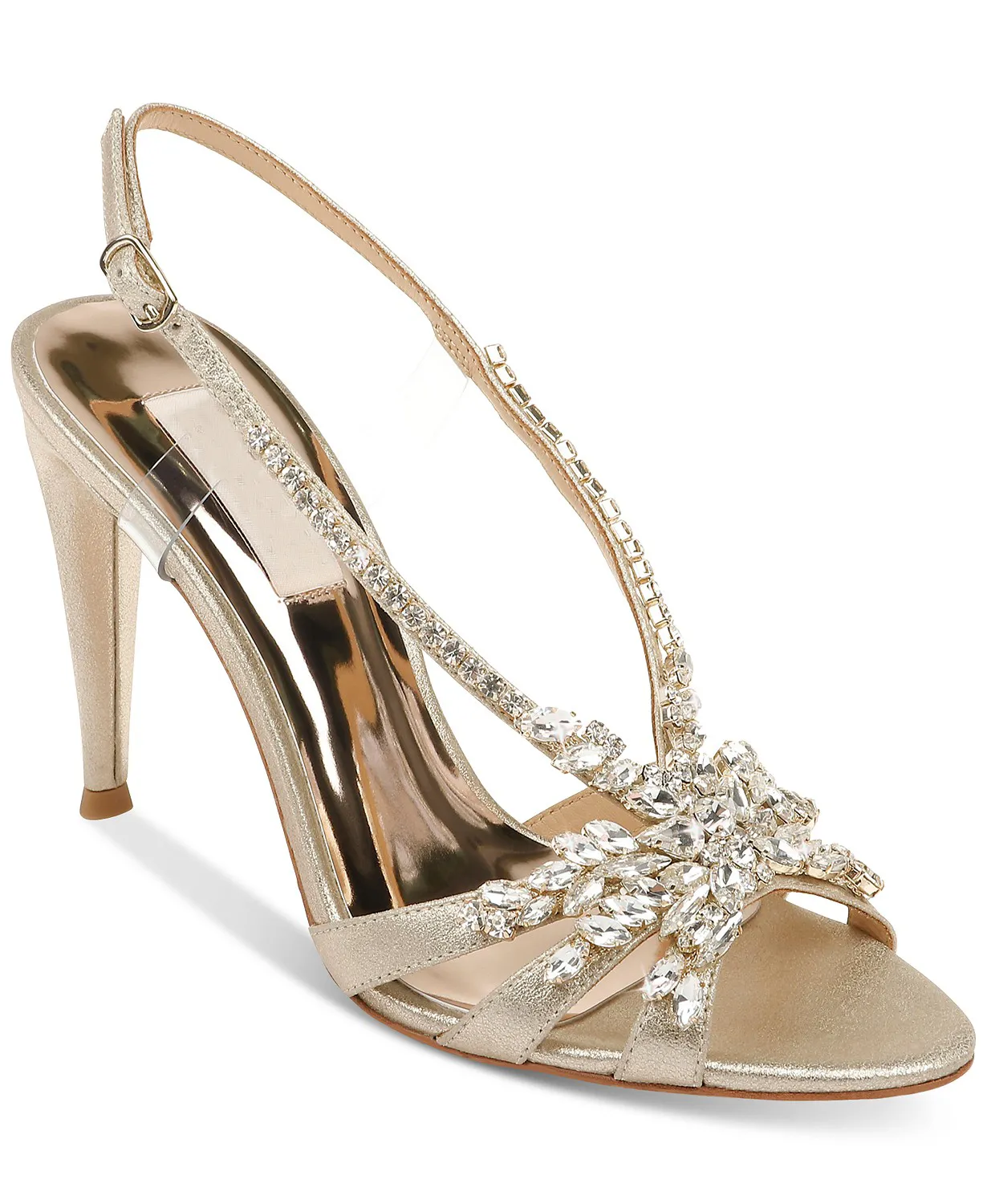
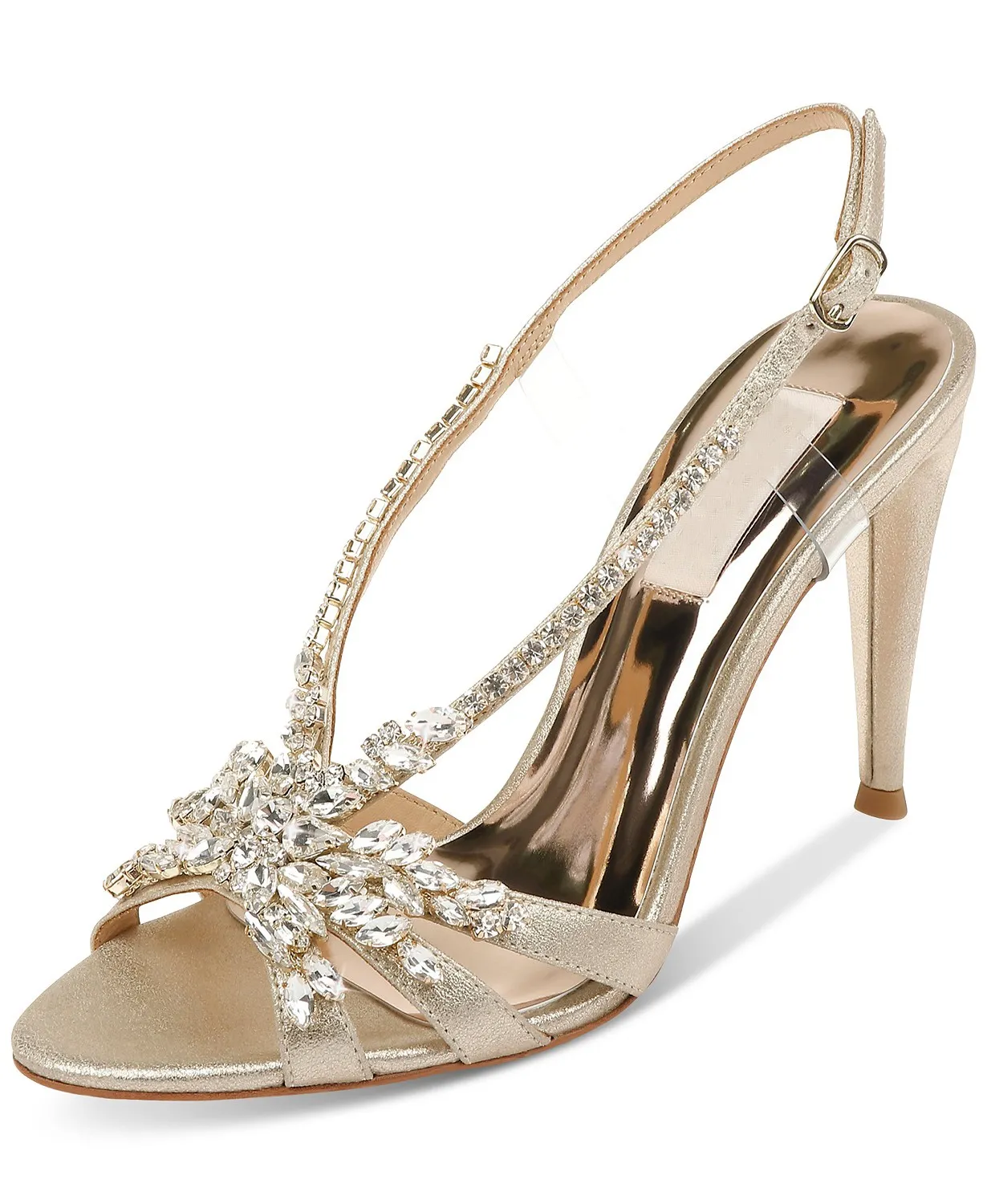
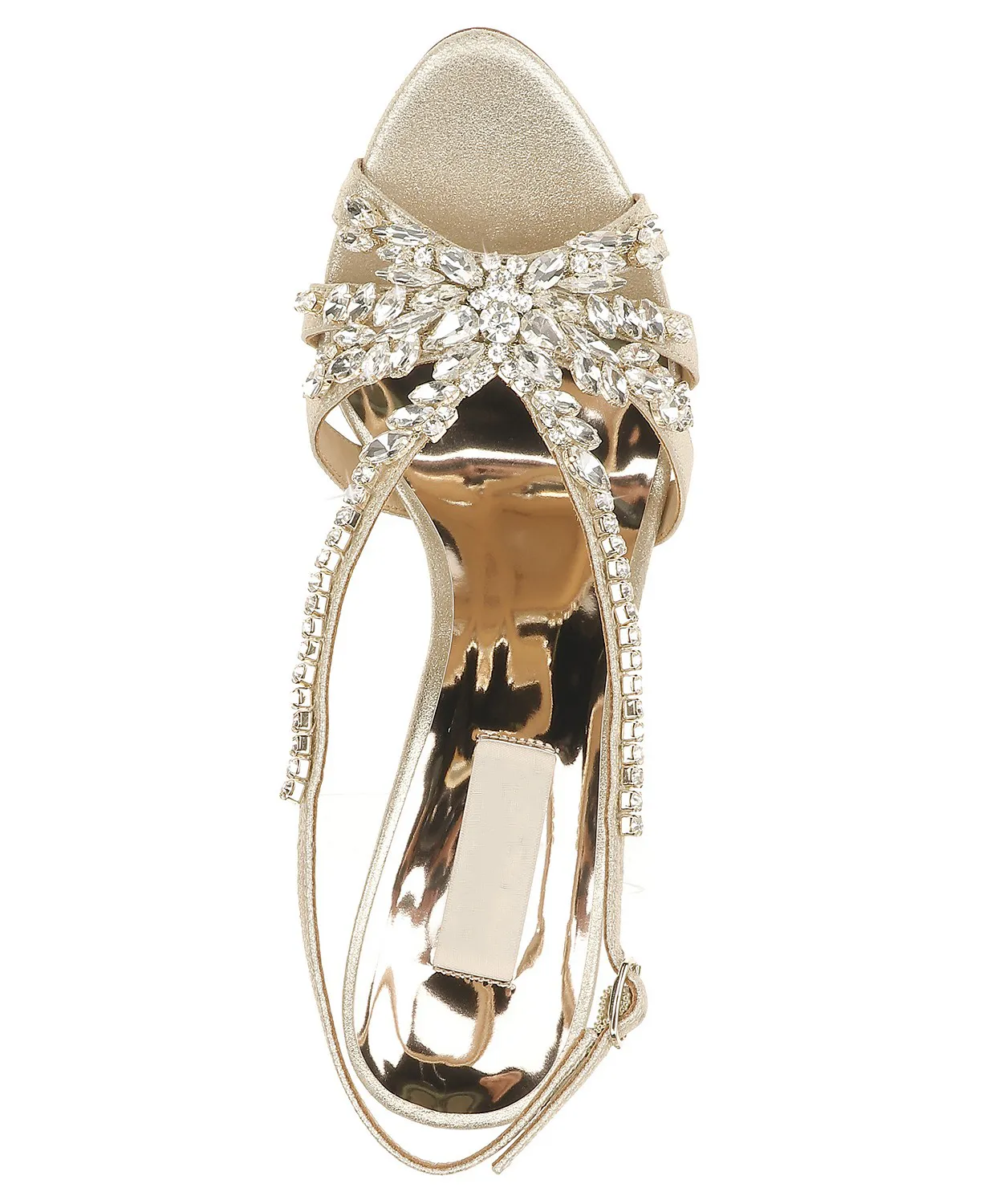
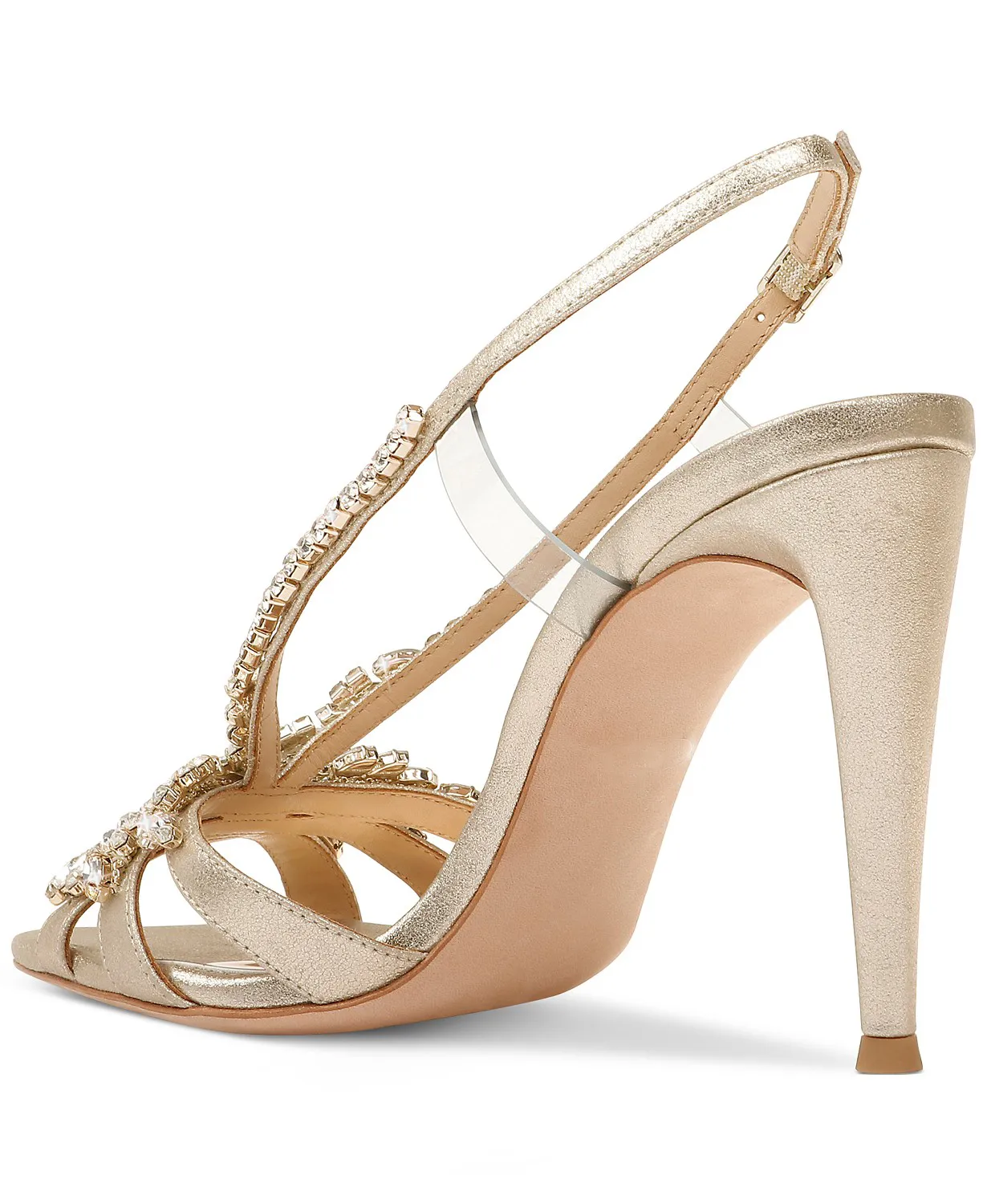
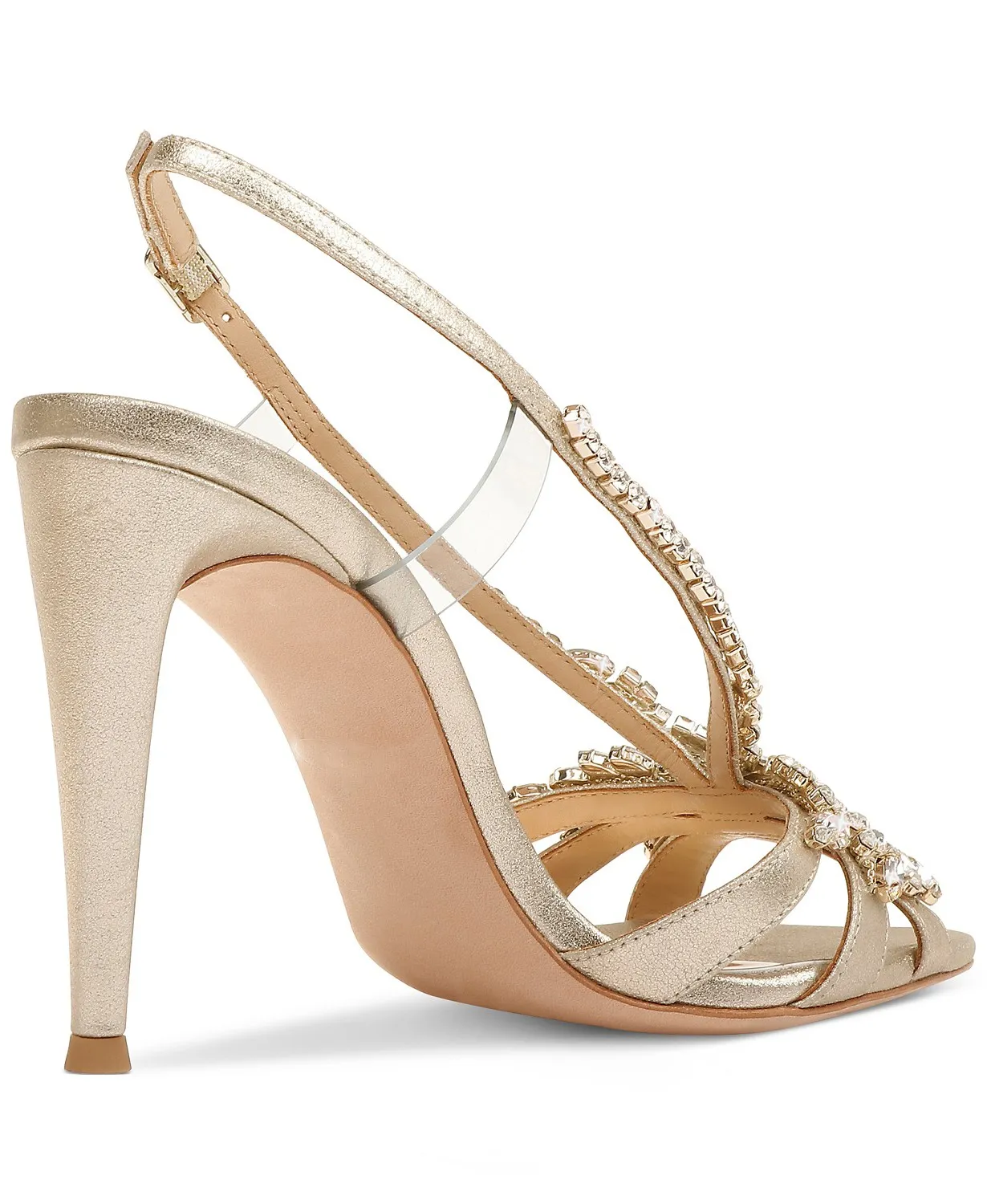
Description
Custom Wide Fit Bridal Shoes are a B2B footwear development option for brands, bridal labels, retailers, wholesalers and sourcing teams needing a wide-fit bridal shoe development route where the fit objective must be translated into agreed last, measurements, grading and sample approvals. Lajwanti Collections supports private-label, OEM, ODM and made-to-order development with paid sampling, approved specifications, bulk production and worldwide shipping support.
Custom Wide Fit Bridal Shoes for Relevant B2B Buyers
The buying decision here is driven by a defined style direction and a controlled approval process. The validated focus keyword is custom wide fit bridal shoes, and it should describe this exact product direction rather than compete with the broader Bridal Shoes Manufacturer parent page.
The workbook positions the page for commercial and transactional B2B intent. Its target buyers include footwear brands, designers, retailers, wholesalers, sourcing teams and private-label buyers. The practical sourcing use case is a wide-fit bridal shoe development route where the fit objective must be translated into agreed last, measurements, grading and sample approvals.
Buyers should arrive with a product reference, sketch, tech pack, inspiration image or written brief and state the intended market, quantity, colourways, branding and packaging expectations. Related phrases such as bridal shoes, british bridal shoes, bridal shoe can support the page naturally, but they should not turn it into a generic category page.
Brands developing different bridal footwear collections can also explore Custom Wedding Shoes as another sourcing direction while keeping this page focused on wide-fit development requirements.
The product page should earn its place by answering product-level questions and showing evidence that is unique to this design once real product images and specifications are available.
Product Style, Materials and Customisation
The development brief should focus first on the decisions that make wide fit bridal shoes commercially distinct. For this SKU, the main confirmation points are target fit/measurements, last direction, size range/grading, silhouette, heel/sole direction, materials, closure, branding, and packaging.
Exact upper, lining, insole and outsole materials are not confirmed by the workbook, so the page must not publish a material as fact before quotation and sample approval. Depending on the design and technical feasibility, potential footwear material directions may include genuine leather, PU, synthetic materials, suede, nubuck, patent finishes, satin, velvet, woven fabrics, mesh, lace, decorative hardware, and rubber or synthetic sole options.
These are available directions, not statements about the current product. Toe shape, heel geometry, last, closure, strap configuration, embellishment, finish, size range and packaging also remain buyer-specification items unless supported by product evidence.
For wide fit bridal shoes, product photography should ultimately show the approved design from multiple useful angles so buyers can distinguish the actual product from a text-only catalogue concept.
Buyer Decisions to Confirm
- Target fit/measurements
- Last direction
- Size range/grading
- Silhouette
- Heel/sole direction
- Materials
- Closure
- Branding
- Packaging
Colour, finish and branding should be treated as specification items. The buyer can share Pantone references, physical swatches, artwork, logo files, packaging dielines or a tech pack where available. Lajwanti Collections can then confirm feasibility and quotation details.
Sizing and fit decisions also need confirmation during development. The public page should not publish an unverified size range, last, measurement or fit promise. Instead, the RFQ should capture the target market and requested sizing system, allowing grading, fit direction and labelling to be reviewed as part of sampling.
For buyers creating complete bridal footwear ranges, related options such as White Flat Wedding Shoes can help compare different footwear profiles while maintaining a clear product-specific sourcing approach.
Private Label, OEM and ODM Manufacturing
Lajwanti Collections can support three different B2B development routes, and the page should explain them without stacking every term into the H1. Private Label means developing the product for sale under the buyer’s brand, including agreed brand marks, labels and packaging. OEM is appropriate when the buyer supplies the reference, technical specification or design requirements and wants manufacturing against that approved direction. ODM is appropriate when the buyer wants to adapt or develop from an existing Lajwanti direction with manufacturer input into the product route.
For wide fit bridal shoes, the RFQ should identify which route the buyer expects because it affects development work, approvals and quotation. White-label language should remain secondary unless a genuinely pre-developed, minimally changed programme is evidenced.
The page should not create separate service URLs merely by changing OEM, ODM, supplier, wholesale or private-label modifiers.
MOQ, Paid Samples and Bulk Production
For women’s footwear, the verified MOQ is 12 pairs per design, per colour. Samples are paid rather than automatically free. Typical paid sample development is 10-14 days after the design and specifications are confirmed, and typical bulk production is 4-6 weeks after sample approval.
These timings are planning ranges, not guarantees. Complexity, materials, revisions, packaging, quantity, component availability and production planning can change the final confirmed schedule.
Commercial production should follow a brief-to-quotation-to-paid-sample sequence, with the approved sample and confirmed specification controlling bulk execution. For a buyer sourcing wide fit bridal shoes, quantity should therefore be discussed together with colour count, size breakdown, branding and packaging, rather than treated as a standalone number.
Bulk production should not begin from an unapproved concept; the approved sample/prototype and confirmed specification are the reference point for execution.
Five-Stage Buyer Journey
- Share the Brief – provide the product reference, target market, quantity, colourways, size requirements, branding and packaging needs.
- Feasibility and Quotation – confirm what can be produced, which details need clarification, and the commercial quotation.
- Paid Sample Development – develop the physical sample against the confirmed direction.
- Sample and Specification Approval – approve the product, colour/finish, branding, packaging and measurable details before bulk.
- Bulk Production, Checks, Packing and Shipping – produce against the approved reference, complete agreed checks, pack to the confirmed requirement and arrange worldwide shipping support.
Quality Control Against Approved References
Quality control should be tied to the approved sample and documented specification rather than to vague claims such as ‘premium quality’. For wide fit bridal shoes, the most relevant checks are approved fit measurements, grading references, pair matching, size marking, finish and branding against the sample/specification.
Where the buyer specifies measurements, colour references, artwork positions, size marking, component details or packaging instructions, those points should be included in the approval record so production checks have an objective reference.
The workbook does not provide an AQL level, certification, test method or performance standard, so none should be invented. If the destination market, retailer or buyer has a formal inspection or testing requirement, it should be shared before quotation so feasibility and responsibility can be confirmed.
Any product-specific claim visible on the final page should be traceable to approved specifications, genuine product photography or other first-party evidence.
Product Care and Handling
Care guidance for wide fit bridal shoes depends on the final upper, lining, sole, decorative components and surface finish. Until those are approved, the public page should avoid one-size-fits-all cleaning instructions.
A safe buyer-facing position is to keep footwear dry and protected from unnecessary heat, pressure and abrasion during storage and transport, and to follow care instructions appropriate to the selected material and finish.
Decorative surfaces, metallic finishes, light colours or applied branding may require additional packing protection if used, but that requirement must be confirmed for the actual product.
Final care wording should be prepared after the sample is approved so the instructions match the manufactured construction instead of relying on assumptions from the product name.
Why Work with Lajwanti Collections?
Lajwanti Collections is a Lahore, Pakistan-based B2B private-label, OEM, ODM, custom and made-to-order manufacturer operating since 2003. For women’s footwear, buyers can work from a paid sample and approved specification before bulk production, with a verified MOQ of 12 pairs per design, per colour.
The company also supports branding, packaging and worldwide shipping. The strongest reason to use this page is not a generic claim that Lajwanti can make shoes; it is the ability to discuss wide fit bridal shoes as a defined commercial brief with design, sample, approval and production steps.
This page should link upward to the Bridal Shoes category owner and across only to genuinely related products, which helps buyers and search engines understand the product hierarchy without creating multiple pages for the same broad manufacturing intent. Buyers comparing comfort-focused bridal options can also explore Low Heel Wedding Shoes as another related development direction.
Request a Manufacturing Quote
To request a manufacturing quotation for wide fit bridal shoes, send the design/reference, desired quantity, colourways, target sizes, destination country, branding requirements, packaging requirement and any deadline that affects planning.
Use WhatsApp +92 333 941 1234 or email info\@lajwanticollections.com. The quotation should confirm technically feasible options, sample cost, production terms and any details that still need approval.
For custom wide fit bridal shoes, the best next step is a complete RFQ rather than a retail-style ‘buy now’ action. UK bridal footwear buyers can use wide-fit as a meaningful product attribute, but final fit claims require verified measurements and approved samples.