OEM / PRIVATE LABEL MANUFACTURING

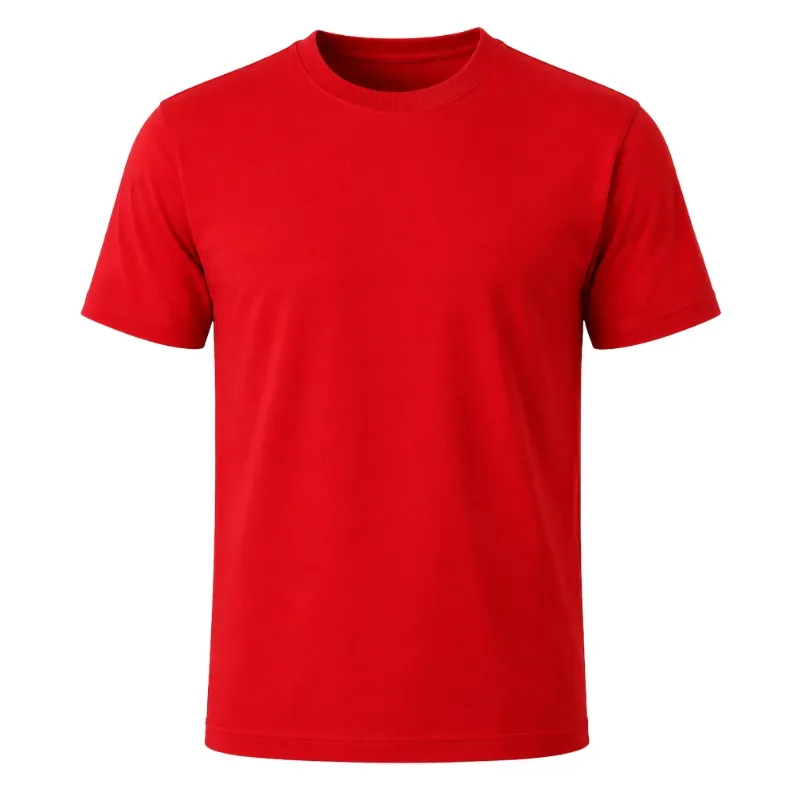
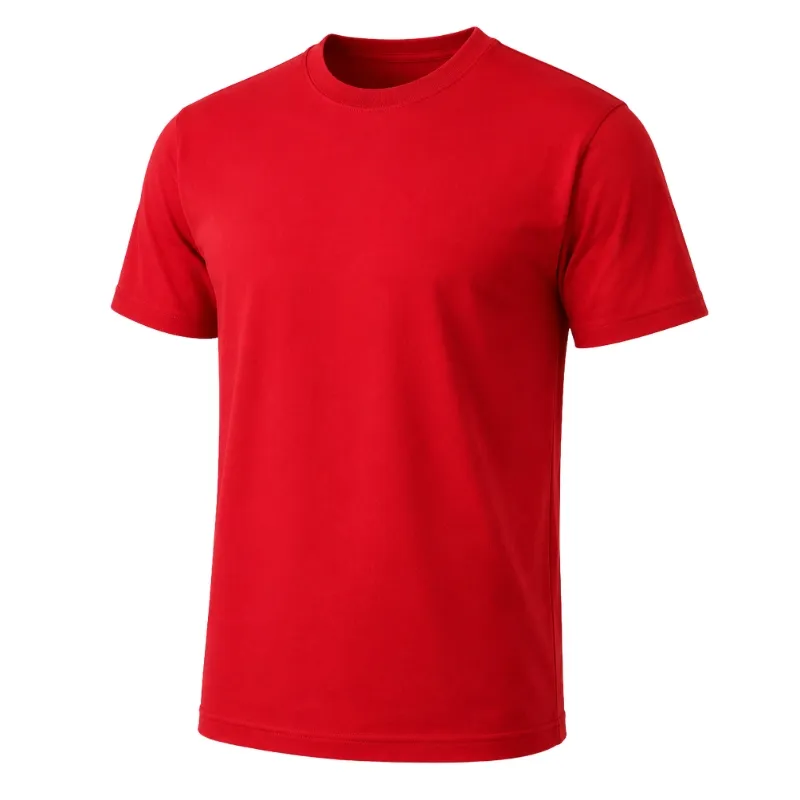
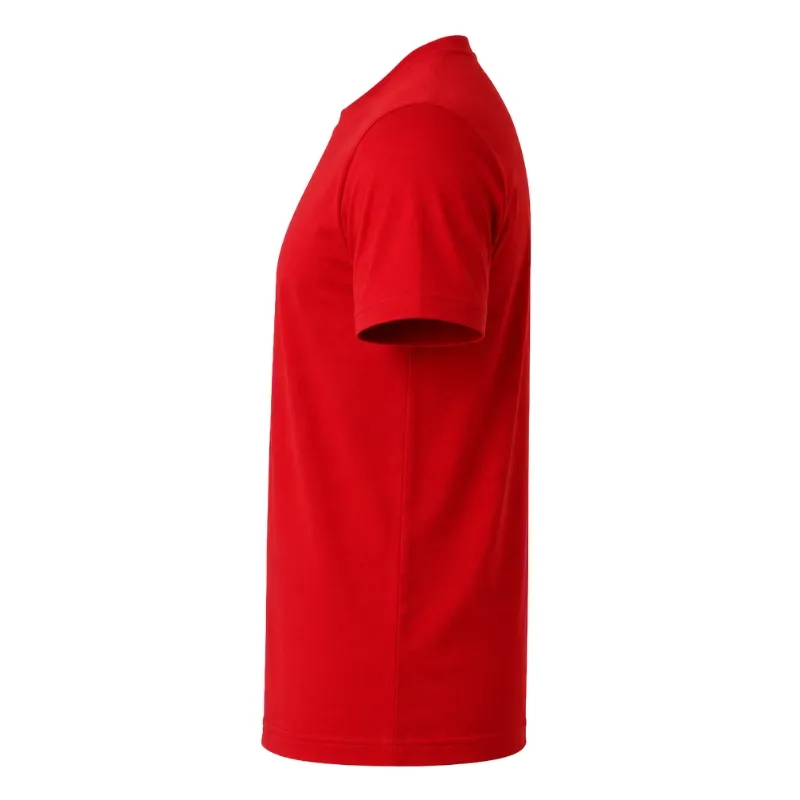
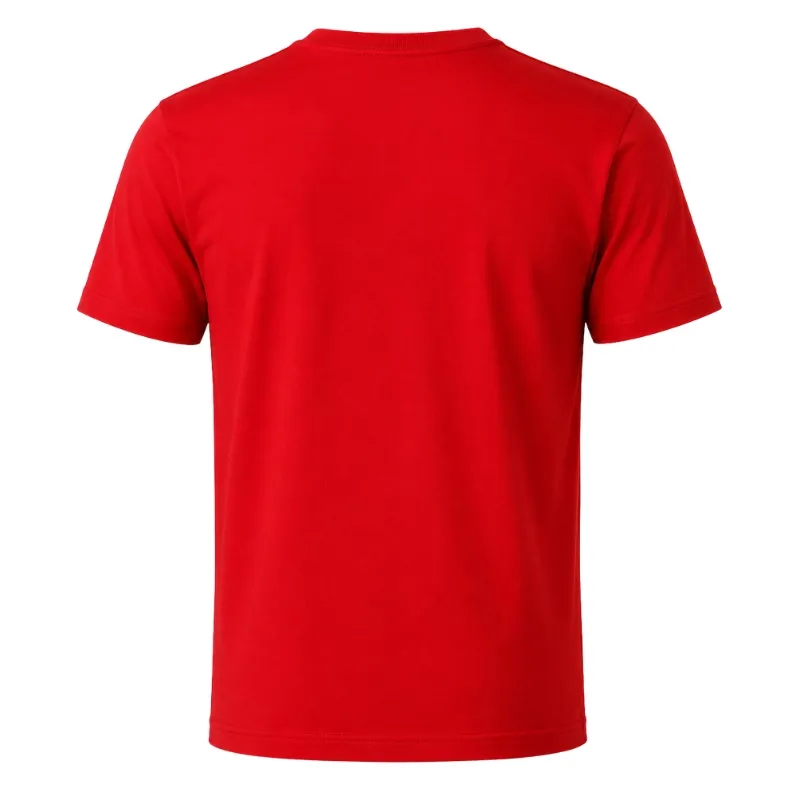
Cotton Men’s T-Shirt Manufacturer

Lajwanti Collections develops cotton men’s T-shirts for fashion brands, activewear labels, retailers, wholesalers, startups and sourcing teams seeking a private-label, OEM or ODM production route. Share the target fibre direction, GSM, fit, colours, branding, packaging and quantity for a quotation-specific review. Apparel MOQ, sample cost, sample timing and production timing are confirmed per project; samples are paid and bulk production follows approval of the sample or prototype and specification. Worldwide shipping support is available. This page is for B2B product development rather than single-item retail checkout. Request a quote or WhatsApp the team to discuss your cotton men’s T-shirt range.

  1. Cotton-led fabric direction with composition and GSM confirmed to brief
  2. Private-label, OEM and ODM routes for B2B apparel buyers
  3. Paid sampling before bulk specification approval
  4. Branding, labels and packaging reviewed for feasibility
  5. Worldwide shipping support with quotation-specific terms
B2B Order Information

Quick B2B Specifications

Essential ordering details for wholesale, OEM, ODM and private-label enquiries.

MOQ

Flexible MOQ

Suitable for boutique launches and larger wholesale programs.

Sampling

Sample Available

Review product details before bulk production begins.

Customization

OEM & Private Label

Customize materials, sizing, branding and packaging.

Delivery

Worldwide Shipping

Export support for international wholesale and brand orders.

Request A Quote

Let’s craft your
next collection

Share a few details about what you need and our team will get back to you with pricing, MOQs, and lead times — usually within one business day.

  • OEM & Private Label Full custom development, your branding, your specs
  • Worldwide Shipping Trusted by wholesalers and brands globally
  • Dedicated Account Manager One point of contact from sample to shipment
  • Flexible MOQs Scaled for both boutique and bulk orders

Start Your Custom Order Inquiry

Share your requirements and receive MOQ, pricing, and production guidance from our manufacturing team.

Checkboxes
Drag & Drop Files, Choose Files to Upload You can upload up to 5 files.
B2B Manufacturing & Customization

From Your Product Brief to Production-Ready Delivery

Develop this style around your market, materials, sizing, branding and packaging requirements with sampling, production oversight and export-ready support.

01

Manufacturing Confidence

Manufacturing Oversight

Production requirements stay aligned from approved specifications through manufacturing.

Sample Before Production

Review materials, construction and branding before approving bulk production.

Quality-Focused Process

Key checkpoints help maintain consistency across construction, finishing and materials.

Export-Ready Support

Packaging and production can be prepared around international B2B shipment requirements.

02

How Your Custom Order Works

01

Share Requirements

Product, quantity, sizing, materials and branding.

02

Quote & Plan

Review MOQ, pricing, options and timeline.

03

Sample & Approval

Check the sample and confirm revisions.

04

Bulk Production

Production begins with quality checkpoints.

05

Branding & Delivery

Final branding, packing and shipment preparation.

03

Customize This Style

Adapt this base design to your brand positioning, target market and collection requirements.

OEM / ODM / Private Label

Share your reference, specification or target look and we can review feasibility before sampling.

Materials & Finishes

Select materials, textures and finish direction.

Colours

Develop colourways around your collection palette.

Sizing & Fit

Confirm size range, grading and fit requirements.

Logo & Branding

Add approved private-label branding and marks.

Custom Packaging

Develop packaging suited to your brand presentation.

Design Adjustments

Review feasible changes before sample development.

Description

A cotton men’s T-shirt manufacturer helps fashion brands, retailers, wholesalers and startups develop a cotton-led men’s tee program around an approved fabric, fit, colour, branding and packaging brief. Lajwanti Collections supports private-label, OEM and ODM development, paid sampling, bulk production after approval and worldwide shipping support, with apparel terms confirmed by quotation.

Cotton Men’s T-Shirt Manufacturer for Relevant B2B Buyers

A cotton men’s T-shirt program is usually a repeatable product decision for a brand, not a request for one unbranded garment. Buyers may be building a core essentials range, a seasonal capsule, a branded merchandise line or a wholesale assortment that needs a consistent men’s tee direction. The commercial question is how the garment will be specified, sampled, approved, branded and repeated across future orders.

This page owns the cotton-specific product route. The parent Basic Men’s T-Shirts page remains the broader owner for generic men’s T-shirt manufacturing intent. That separation matters: this page should lead with the cotton attribute and the buyer’s product brief, then explain private-label, OEM and ODM routes as ways to bring the approved tee to market. It should not become a shorter copy of the parent page.

Typical buyers include fashion labels that need a dependable core tee, retailers planning a private-label range, wholesalers sourcing a defined cotton-led product, e-commerce startups testing a first collection and sourcing teams comparing production partners. Each buyer needs a different commercial discussion around quantities, colours, size grading, artwork, labels and packaging, so the final offer should be confirmed from the brief rather than assumed from the page title.

Product Style, Materials and Customisation

The supplied product direction identifies a cotton men’s T-shirt, but it does not confirm a fibre percentage, blend ratio, GSM, knit structure, wash, finish or performance property. The page should therefore describe a cotton-led direction while asking the buyer to confirm the exact fabric requirement. Available options may be reviewed subject to technical feasibility, supplier availability, colour standards, construction requirements and the approved sample.

The fit and garment block should be treated as design decisions, not hidden assumptions. Buyers can provide a reference garment, measurement chart or tech pack covering the chest, shoulder, sleeve, body length, neckline, hem and tolerance requirements. A standard, relaxed, oversized or another fit direction may be discussed only when it is supported by the buyer’s reference and confirmed in the approved specification.

Colour development can be managed around the buyer’s collection palette. The brief may include solid colours, contrast details, artwork, embroidery or print placement, but the actual method, scale, thread or ink direction, label type and placement must be confirmed before production. If the buyer needs multiple colourways, the quotation should reflect how the colour, size and branding matrix affects the order.

Packaging is part of the commercial product experience. Buyers can discuss folding, individual presentation, size stickers, hang tags, care labels, cartons or other packaging requirements. None of these should be presented as confirmed until the buyer supplies the desired packaging brief and Lajwanti confirms feasibility, cost treatment and the final pack-out reference.

  1. Fibre composition, blend ratio, fabric structure and target GSM
  2. Fit block, measurement chart, grading rules and tolerances
  3. Neckline, sleeve, body length, hem and seam construction
  4. Colour standards, artwork, print or embroidery requirements
  5. Brand labels, hang tags, care information and packaging format
  6. Quantity, size breakdown, destination and sample requirement

Private Label, OEM and ODM Manufacturing

Private-label development is suitable when the buyer wants a cotton men’s T-shirt prepared for sale under its own brand. The buyer’s logo, label system, artwork, packaging and product positioning can be reviewed as part of the brief. The commercial value is a product that is specified around the buyer’s brand rather than selected as an anonymous retail item.

OEM is the clearest route when the buyer supplies a reference, tech pack or detailed specification. The manufacturer reviews whether the requested fabric, measurements, construction, decoration, labels and packaging can be executed as described. Any feasible changes should be recorded and approved so the sample becomes the reference for bulk production.

ODM can suit a buyer that wants to adapt an existing Lajwanti direction with its own brand requirements. The buyer may still need to decide fabric parameters, fit, colourways, artwork and packaging. ODM does not remove the need for feasibility review or sample approval; it changes how much of the starting design direction comes from the manufacturer.

MOQ, Paid Samples and Bulk Production

Apparel does not have one universal published numerical MOQ for this product page. The exact commercial minimum depends on the garment, fabric or GSM, construction, number of colours, decoration, labels, packaging, size breakdown, quantity and specification. Buyers should send the intended order structure so the quotation reflects the actual production plan.

Samples are paid, not automatically free. The sample is the practical checkpoint for reviewing the cotton-led fabric direction, measurements, fit, construction, branding and packaging decisions. Sample cost and timing remain quotation-specific because the work may involve pattern adjustments, fabric sourcing, artwork, revisions and other development requirements.

Bulk production should begin only after the relevant sample or prototype and confirmed specification are approved. The final production timing is therefore quotation-specific and may depend on the confirmed materials, colourways, quantity, revisions, component availability and production planning. This page should not publish a generic lead-time promise.

  1. Share the Brief — provide the cotton direction, reference or tech pack, fit, colours, branding, packaging and quantity.
  2. Feasibility and Quotation — review the requested construction and confirm feasible options, apparel MOQ, sample scope and quotation terms.
  3. Paid Sample Development — develop the agreed sample or prototype for review; the sample is not represented as free.
  4. Sample and Specification Approval — record the approved measurements, fabric direction, branding, packaging and any revisions.
  5. Bulk Production, Checks, Packing and Shipping — produce against the approved reference, complete agreed checks, prepare packaging and arrange quotation-specific worldwide shipping support.

Quality Control Against Approved References

Quality discussion should be tied to the approved reference rather than broad promises. Relevant checks may include measurements and tolerances, neckline and hem construction, seam appearance, colour consistency, print or embroidery placement, label accuracy, packaging instructions and the agreed size breakdown. The exact inspection scope should be written into the confirmed specification.

For a repeat order, the approved sample and specification become the comparison point. If the buyer changes fabric, colours, artwork or packaging, the new details should be documented before production so the team is not comparing the bulk order with an outdated reference. No certification, AQL level or testing result should be published without evidence.

Product Care and Handling

Care instructions must follow the final confirmed fabric and finishing details. Do not publish a universal wash temperature, shrinkage claim, colourfastness claim or drying instruction before the fibre content, construction and care-label information are approved. The buyer should supply any required care-label language, and the final label should match the approved specification.

During sampling and approval, buyers should review the garment after the agreed care process where relevant to their range. Any care or handling statement used on the live product page should be verified against the actual product and label rather than copied from a different men’s T-shirt page.

Why Work with Lajwanti Collections?

Lajwanti Collections is a Lahore, Pakistan-based B2B manufacturer operating since 2003. The verified business model includes private label, OEM, ODM, custom and made-to-order manufacturing across apparel and other divisions. For this page, the relevant value is a quotation-led route that starts with a product brief and moves through paid sampling, approval, production and packaging.

The company supports worldwide shipping, but the final arrangement is specific to the buyer’s destination and order. Buyers can use the conversation to clarify the product direction, quantity, branding, packaging and sample requirements before deciding whether the program fits their assortment and procurement process.

Request a Manufacturing Quote

To request a quote for cotton men’s T-shirts, send the reference image or tech pack, desired cotton content or fabric direction, GSM target if known, fit and measurement chart, neckline and sleeve details, colour standards, artwork, labels, packaging, quantity, size breakdown and destination country. If some details are undecided, identify them as open decisions so the quotation can separate confirmed requirements from options to review.

Use the RFQ form or WhatsApp to start the discussion. Lajwanti Collections can review the brief, confirm feasible apparel terms, outline the paid sample requirement and advise what must be approved before bulk production. This page should close with a clear B2B invitation to customise the direction rather than a consumer purchase prompt.

Specifications

SpecificationDetails
Product directionCotton men’s T-shirt product page; exact construction confirmed during quotation.
Page intentSpecific product/variant B2B manufacturing intent.
Garment categoryMen’s T-shirt / apparel.
Fibre compositionCotton-led direction identified in the source; exact content or blend ratio to be confirmed.
Fabric / knitSelected fabric, knit structure and finish confirmed against buyer brief and sample.
Fabric weight / GSMNot supplied; confirm target GSM and tolerance during quotation.
Fit blockConfirm standard, relaxed, oversized or other fit against reference and measurement chart.
Size rangeBuyer-defined; confirm size labels, measurements, grading and tolerance.
NecklineConfirm neckline shape, rib or other finish from the approved specification.
Sleeve directionConfirm sleeve length, opening and construction.
Body length / hemConfirm body length, hem finish and tolerance.
ConstructionCut-and-sew details, seams and stitch requirements subject to technical feasibility.
ColourwaysBuyer-selected colour standards; confirm feasibility and approval reference.
Printing / embroideryAvailable direction to be reviewed; artwork, method, placement and scale require approval.
Labels / trimsBrand labels, care labels, hang tags and trims confirmed by brief.
Branding routePrivate label, OEM or ODM route, subject to quotation and approval.
PackagingBuyer-specific folding, tags, individual packing and carton requirements to be confirmed.
SamplingPaid sample; sample scope and timing are quotation-specific.
MOQNo universal apparel MOQ; confirm by garment, fabric, colours, decoration, packaging and quantity.
Bulk productionBegins after approved sample/prototype and confirmed specification.
Production timingQuotation-specific; do not publish an unverified lead time.
ShippingWorldwide shipping support available; arrangements and timing are destination-specific.

Benefits

FeatureBuyer BenefitCommercial Value
Cotton-led product focusKeeps the buyer’s core fabric direction visible in the brief.Stronger assortment planning around a defined men’s tee role.
Buyer-supplied reference or tech packGives the team a clearer approval target.Reduces ambiguity during quotation and sampling.
Fit and grading decisionsLets the brand control measurements and size logic.Supports consistent merchandising across a size range.
Colourway planningAllows the buyer to align the tee with its collection palette.Improves seasonal and repeat-order flexibility.
Private-label brandingConnects the garment to the buyer’s own brand system.Supports retail presentation and brand ownership.
OEM / ODM route choiceMatches the manufacturing path to the buyer’s design input.Makes sourcing conversations easier to qualify.
Paid sample approvalCreates a tangible review point before bulk production.Reduces approval risk by documenting the accepted reference.
Specification-led bulk productionGives repeat orders a written comparison point.Supports operational consistency and fewer interpretation gaps.
Packaging discussionAligns the physical pack-out with the buyer’s selling channel.Improves launch readiness for wholesale or e-commerce programs.
Worldwide shipping supportLets international buyers include destination planning in the RFQ.Keeps logistics discussion connected to the actual order.

FAQS


What does a cotton men’s T-shirt manufacturer provide for B2B buyers?

A cotton men’s T-shirt manufacturer can review the garment direction, fabric composition, GSM, fit block, colourways, branding, packaging and quantity for a production quotation. Lajwanti Collections supports private-label, OEM and ODM routes; exact construction and commercial terms are confirmed during quotation and sample approval.

Can this cotton men’s T-shirt be private labeled or made through OEM?

Yes. Private label is suitable when the garment is developed for sale under your brand. OEM is suitable when you supply a reference, tech pack or defined specification. Branding, labels, artwork and packaging are reviewed for feasibility and finalised against the approved product reference.

Can ODM development be used for this product?

ODM may be appropriate when you want to adapt an existing Lajwanti product direction rather than provide every detail yourself. The intended cotton-led direction, fit, fabric parameters and branding requirements still need a feasibility review before a paid sample is developed.

What is the MOQ for cotton men’s T-shirts?

There is no universal published numerical MOQ for apparel pages. The quotation-specific minimum depends on the garment, fabric or GSM, construction, colours, decoration, labels, packaging and quantity. Share the target assortment and order plan so Lajwanti Collections can confirm the applicable commercial terms.

Are samples free for this cotton men’s T-shirt program?

No. Samples are paid. The sample stage lets the buyer review the selected fabric direction, fit, construction, branding and finish before bulk production. Sample cost and timing are quotation-specific because they depend on the specification, revisions, materials and development requirements.

Can we choose the cotton content, GSM, colours and fit?

Those decisions can be included in the brief, but the exact fibre content, blend ratio, GSM, colour standard and fit block are not assumed from the page title. Provide references or a tech pack; the feasible options are confirmed during quotation and sample development.

How is pricing calculated for cotton men’s T-shirts?

Pricing is quotation-specific rather than a public single-item price. The review normally considers the fabric direction and GSM, construction, size breakdown, colourways, decoration, labels, packaging, quantity and destination. A paid sample may be required before the bulk specification is approved.

How are quality and bulk shipping handled?

Quality is checked against the approved sample and confirmed specification, including agreed measurements, construction, branding, colour and packaging requirements. Worldwide shipping support is available, while shipping arrangements, documentation and timing remain quotation-specific for the destination and order.

Ready to Start?

Launch Your Custom Product Collection

Get a custom quote, request samples, or discuss your private label program. Our team is ready to help you develop women’s footwear, sports kits, sportswear, and apparel that match your brand.