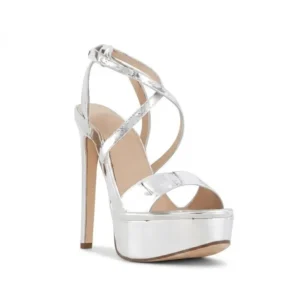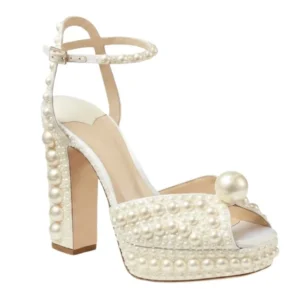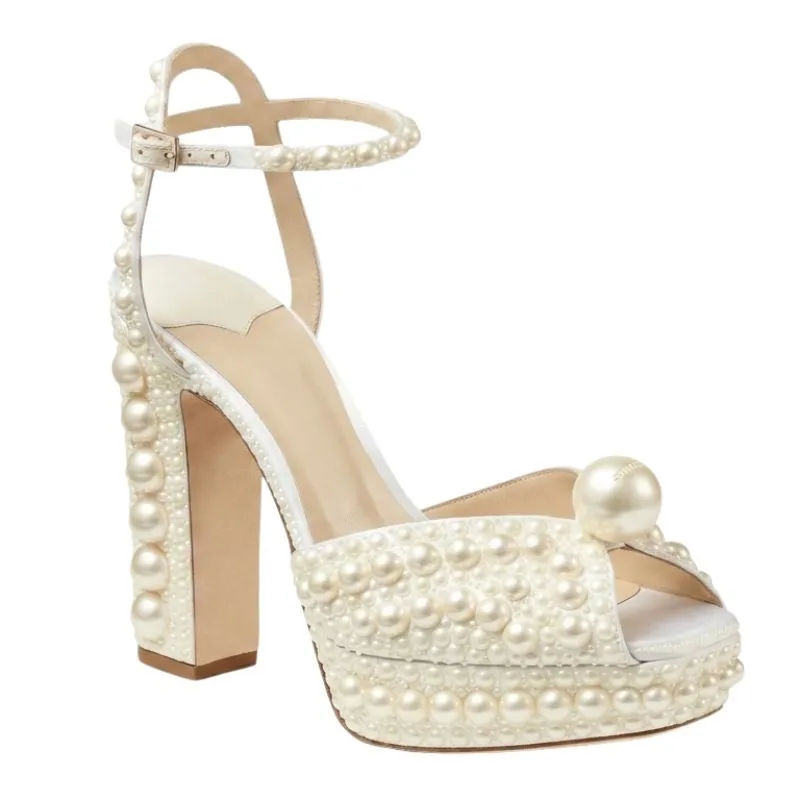


Description
Women’s Platform Dress Shoes are a B2B footwear-development option for brands, boutiques, retailers, wholesalers and sourcing teams that want this specific platform direction under their own label. Lajwanti Collections supports private label, OEM and ODM development from Lahore, with a verified women’s-footwear MOQ of 12 pairs per design, per colour and paid sampling before bulk production.
women’s platform dress shoes for Relevant B2B Buyers
B2B buyers considering formal footwear capsules, occasionwear retail edits, boutique dress-shoe programs, branded e-commerce collections, private-label formal ranges and wholesale assortments need a sourcing page rather than a fashion editorial. The product must stay distinct from the parent platform category while giving enough commercial detail for a brand or importer to prepare a realistic development brief.
The positioning for this URL is dress/formal platform footwear for women, narrowing a previously generic platform-shoes page into a commercially meaningful use-case intent. It should speak to footwear brands, fashion labels, boutiques, e-commerce sellers, retailers, wholesalers, importers and sourcing teams that can place a development or bulk order. Buyers exploring wider footwear categories can also review women’s shoes collections and women’s platform shoes options for related sourcing directions. Consumer phrases such as “shop now,” “best for all-day comfort” or fashion-advice sections are secondary to material feasibility, sample approval, branding, sizing, packaging and production questions.
A strong enquiry should include intended quantity, destination market, size system, target colours, reference images or tech pack, branding needs, packaging requirements and the desired delivery window. Those inputs allow feasibility and quotation to happen before the buyer commits to a sample.
Procurement teams should record any requested changes to Women’s Platform Dress Shoes in the quotation and sample comments rather than relying on informal messages. That record becomes important when the order moves from development to repeat production, especially where colour, component, size or packaging variations are involved.
Product Style, Materials and Customisation
Customization is useful only when the base specification is clear. Dress/formal positioning is the approved intent. Confirm the actual toe, heel/platform profile, closure, upper, lining, insole, outsole and decorative finish before locking detailed product specifications. The final build should be recorded in the approved sample and commercial specification before repeat production.
Available material directions for women’s footwear may include genuine leather, PU, synthetic materials, suede, nubuck, patent finishes, satin, velvet, woven fabrics, mesh, lace, decorative hardware and rubber or synthetic soles. This is an options list, not a statement that the current product uses any one material. The selected upper, lining, insole, outsole, trim and finish must be confirmed during quotation and finalized after sample approval.
Colourways, sizing, logo placement, branded insoles, labels, packaging and feasible design adjustments can be discussed around the buyer’s brief. Heel/platform dimensions, last shape, toe form, closure and construction should remain specification-driven. If a requested change alters the engineering or component sourcing, it may affect sampling cost, MOQ, timing or feasibility. Buyers comparing formal platform directions can also explore women’s platform shoes and custom platform shoes for additional development references.
Buyer Decisions to Confirm
- Style: Confirm the exact silhouette, toe, heel/platform direction and closure from the product reference.
- Materials: Confirm upper, lining, insole, outsole and any trim/hardware.
- Range: Confirm colourways, size system and grading requirements.
- Branding: Confirm logo/label placement and branded packaging.
- Commercial: Confirm quantity by design/colour, destination, required date and sample expectations.
Private Label, OEM and ODM Manufacturing
Buyers may approach the style through private label, OEM or ODM. Private label centers the buyer’s brand on the approved design; OEM follows the buyer’s own reference or technical brief; ODM adapts an existing Lajwanti direction where feasible. The practical outcome is the same: the commercial specification must be clear enough for quotation, paid sample development, approval and repeatable bulk production.
The quotation should state what is included in development, which details remain conditional, how revisions will be handled and what constitutes final sample approval. That protects both the buyer and production team from using website copy as a substitute for the technical specification.
MOQ, Paid Samples and Bulk Production
Lajwanti Collections’ verified women’s-footwear MOQ is 12 pairs for each design and colour. The buyer should budget for a paid sample; sample development is typically 10–14 days after the brief is confirmed. Bulk production is typically 4–6 weeks after sample approval. Final timing is quotation-specific and can be affected by design complexity, sourcing, revisions, packaging and order planning.
The recommended buyer journey is: 1) share the brief; 2) review feasibility and quotation; 3) develop a paid sample; 4) approve the sample and specification; and 5) begin bulk production, checks, packing and shipping. Buyers should avoid treating the website as an instant-stock listing because the product is quotation-led and made to order. Brands planning broader formal footwear collections can also explore private label shoes and custom dress shoes development options.
Quality Control Against Approved References
Bulk consistency should be assessed against what the buyer approved. Product-specific checks can include formal silhouette against the approved sample, pair symmetry, visible finish quality, heel/platform alignment, upper/closure placement, size confirmation, label/logo positioning and presentation packaging. If a buyer requires formal tolerances or a special inspection protocol, those requirements need to be agreed during quotation rather than assumed in website copy.
Where branding and packaging are part of the order, they should also be checked against the signed artwork, placement and pack-out instructions. Repeat orders should reference the same approved specification or clearly document any change request.
Product Care and Handling
Care copy should be specific to the final dress-shoe materials and finishes, especially if satin, velvet, patent, metallic or embellished directions are selected.
For B2B orders, the best practice is to provide care wording that the buyer can reuse on packaging or product pages only after the materials are known. Storage, cleaning and moisture/heat guidance can differ significantly between leather, coated synthetics, textiles, delicate trims and specialty finishes.
Why Work with Lajwanti Collections?
For procurement teams, the credible reasons to engage are the company’s operating history since 2003, Lahore base, private-label/OEM/ODM model, paid sample workflow and worldwide shipping support. These facts can be published confidently. Claims about factory scale, named clients, ratings, certifications or guaranteed delivery should stay off the page unless evidence is provided.
The site is quotation-led, so the next useful action is an RFQ that contains enough information to price and sample the project accurately. Buyers can contact the team by email, WhatsApp or the product enquiry form. Brands preparing wider custom footwear programs can also review custom footwear development resources before submitting a complete brief.
Request a Manufacturing Quote
To develop women’s platform dress shoes, send Lajwanti Collections your product reference or target look, expected quantity, colourways, size system, destination, branding and packaging requirements. Ask for the paid-sample cost and the project-specific production schedule. WhatsApp: https://wa.me/923339411234 | Email: info\@lajwanticollections.com.