Types of Heels: A Complete Guide to Every Style
Heels are more than just footwear they are a symbol of confidence, elegance, power, and personal style. From timeless stilettos to comfortable wedges, different types of heels serve different fashion needs and occasions. At Lajwanti Collections Whether you are a fashion enthusiast, a footwear buyer, or someone launching a private label shoe brand, understanding the various heel styles helps you make smarter choices.
In this complete guide, we’ll explore every major type of heel, their characteristics, when to wear them, comfort levels, and styling tips. This article is fully optimized for SEO with semantic keywords such as heel types, women’s heels styles, high heel categories, heel shapes, and fashionable heels.
What Are Heels?
Heels refer to the raised portion of a shoe that elevates the back of the foot higher than the toes. They are commonly found in women’s footwear such as pumps, sandals, boots, and bridal shoes. Heels vary in height, shape, width, and structure each offering a unique aesthetic and comfort level.
Heels can range from low kitten heels (1–2 inches) to dramatic high heels exceeding 5 inches. The design affects posture, appearance, and overall wearability.
Types of Heels Based on Height
Understanding heel height is the first step in choosing the right style.
1. Low Heels (1–2 Inches)
Low heels provide subtle elevation without putting excessive pressure on the feet. They are ideal for:
- Office wear
- Daily use
- Formal meetings
- Mature audiences
These heels are comfortable and practical, making them a popular choice for professional environments.
2. Mid Heels (2–3 Inches)
Mid heels strike a balance between comfort and elegance. They are versatile and suitable for:
- Corporate settings
- Semi-formal events
- Casual outings
They enhance posture while remaining wearable for extended hours.
3. High Heels (3–4 Inches)
High heels are designed for glamour and sophistication. They elongate the legs and add confidence. Best for:
- Evening events
- Parties
- Weddings
- Special occasions
However, prolonged wear may require practice and comfort-focused design.
4. Extra High Heels (4+ Inches)
These dramatic heels are statement pieces. Often seen on fashion runways, red carpets, and luxury collections, they prioritize style over comfort.
Types of Heels Based on Shape
Heel shape significantly impacts both aesthetics and stability.
1. Stiletto Heels
Stilettos are thin, high, needle-like heels typically 3–6 inches tall. They are the ultimate symbol of elegance and femininity.
Best for:
Formal events, cocktail parties, luxury fashion styling.
Pros:
- Leg-lengthening effect
- Sleek and stylish
- Timeless appeal
Cons:
- Less stable
- Requires balance
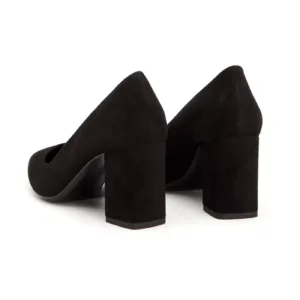
2. Block Heels
Block heels have a thick, square base that distributes weight evenly. They are sturdy and comfortable.
Best for:
Work, weddings, daily wear.
Pros:
- Better balance
- Comfortable
- Suitable for long hours
Block heels are one of the most commercially successful heel types globally.
3. Kitten Heels
Kitten heels are short and slender, usually 1–2 inches high.
Best for:
Office wear, formal gatherings, vintage styling.
They offer sophistication without extreme elevation.
4. Wedge Heels
Wedges extend from the back of the shoe to the middle or front, forming a continuous sole.
Best for:
Summer wear, travel, outdoor events.
Pros:
- Maximum support
- Even weight distribution
- Casual-chic appearance
Wedges are among the most comfortable heel styles.
5. Cone Heels
Cone heels are wide at the sole and narrow toward the bottom, resembling an inverted cone.
They offer stability with a fashionable twist.
6. Spool Heels
Spool heels curve inward in the middle and flare at the top and bottom.
Best for:
Vintage or retro-inspired fashion.
7. Platform Heels
Platform heels have extra thickness at the front sole, reducing the angle between heel and toe.
Benefits:
- Added height
- Reduced pressure on foot arch
- Ideal for high-fashion looks
8. Cuban Heels
Cuban heels are medium-height heels with a slightly tapered back.
They are commonly found in boots and traditional footwear designs.
9. Flared Heels
Flared heels widen toward the base for enhanced stability.
They combine drama and practicality.
10. Sculpted Heels
These artistic heels feature unique shapes and creative structures, often used in designer collections.
Types of Heels Based on Shoe Style
Heels are also categorized by shoe type.
Pump Heels
Closed-toe shoes with a low-cut front. Classic and professional.
Slingback Heels
Feature a strap around the back of the heel.
Peep-Toe Heels
Open at the front, revealing the toes.
Ankle Strap Heels
Include straps that wrap around the ankle for added security.
Bridal Heels
Specifically designed for weddings. Often feature embellishments like pearls, crystals, lace, or satin.
How to Choose the Right Type of Heel
When selecting heels, consider:
1. Occasion
Work, party, wedding, or daily use?
2. Comfort Level
If standing long hours, opt for block heels or wedges.
3. Foot Shape
Wide heels provide better balance.
4. Heel Height Preference
Beginners should start with mid heels or block heels.
5. Material Quality
Premium materials improve durability and comfort.
Heel Trends in Modern Fashion
Recent trends include:
- Minimalist block heels
- Platform revival
- Sustainable materials
- Neutral tones
- Bridal customization
Fashion cycles continue evolving, but classic heel styles remain timeless.
Benefits of Wearing Heels
- Improves posture
- Enhances confidence
- Elevates outfit appearance
- Creates leg-lengthening effect
- Adds sophistication
Potential Disadvantages
- Foot strain
- Balance challenges
- Long-term posture issues if worn excessively
Moderation and proper fitting are essential.
Heel Care Tips
- Store properly
- Use heel protectors
- Avoid uneven surfaces
- Rotate footwear
- Choose correct size
Proper maintenance extends product lifespan.
Frequently Asked Questions (FAQ)
What are the most comfortable types of heels?
Block heels and wedge heels are considered the most comfortable due to even weight distribution and stability.
What heel height is best for daily wear?
2–3 inch mid heels provide the perfect balance between comfort and elegance.
Are platform heels easier to walk in?
Yes, platform heels reduce foot angle, making high heels easier to manage.
Which heels are best for weddings?
Bridal heels, block heels, or mid-height stilettos are ideal for long wedding ceremonies.
Do heels damage feet?
Excessive use of very high heels may cause strain. Choosing supportive designs and moderate heights reduces risks.
Conclusion
Understanding the different types of heels helps you make smarter fashion decisions, whether you’re buying for personal use, styling clients, or sourcing footwear for retail. From elegant stilettos to supportive wedges, each heel style serves a purpose in the fashion world.
Comfort, occasion, and personal style should always guide your choice. With the right pair of heels, you not only elevate your height , you elevate your confidence.
Whether you’re exploring heel styles for fashion inspiration or building a footwear collection, this complete guide covers every essential type of heel available today.